 Top Pick
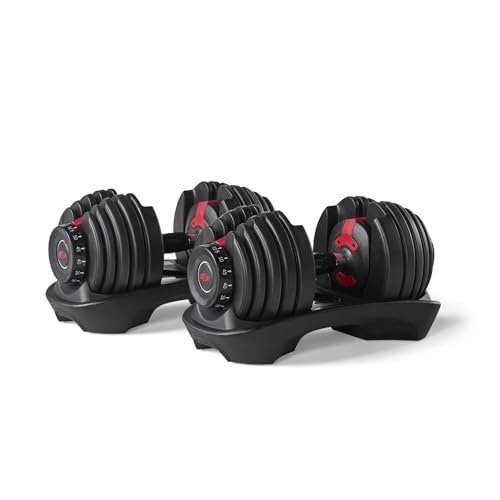
Bowflex SelectTech 552 Dumbbells
5 to 52.5 lbs in one dumbbell. Replaces 15 sets of weights. The home gym essential if you only buy one thing.
Check price on AmazonAs an Amazon Associate I earn from qualifying purchases.
Adjustable dumbbells solve the biggest home-gym problem: fifteen sets of fixed weights take a whole wall of storage, and one adjustable pair replaces all of them. Here's how to pick the right one.
A basic strength program needs weight ranging from warm-up sets to your working max — for most lifters, that's 5 to 50+ lb across different lifts (curls need less than rows, rows need less than presses). Buying that range in fixed dumbbells means 8-10 individual pairs and a rack to store them. One adjustable set covers the same range, in the same footprint as one shoebox, for a fraction of buying every increment separately.
The tradeoff: adjustment takes a few seconds between sets (turning a dial or pulling a pin), versus instant swapping with fixed pairs. For anyone training alone at home, that's a non-issue — you're not racing the clock between sets in a home gym.
Turn-dial (Bowflex-style): Set the dial to your target weight, lift the dumbbell off its cradle — it only picks up the plates you dialed in. Feels the closest to a real dumbbell in hand because the shape stays round.
Pin-select "brick" (PowerBlock-style): Pull a selector pin to the target weight and lift — the dumbbell is square/rectangular rather than round. Stores flatter, takes up less shelf space, and most brands in this style are expandable with add-on kits later.
Neither mechanism is "better" outright — it's a tradeoff between feel (dial/round) and footprint plus future expansion (pin/brick).
5 to 52.5 lb per hand in 2.5 lb increments, adjusted with a twist of the dial. This is the set most people picture when they hear "adjustable dumbbells," and for good reason — the round shape balances like a normal dumbbell for presses, rows, and curls where grip and wrist angle matter. The ceiling: 52.5 lb per hand is the max, no expansion kits available, so if you expect to eventually lift heavier than that, see the PowerBlock below instead. Each dumbbell measures roughly 16.9 x 8.3 in. and sits in a plastic cradle tray that ships with the set — the cradle is what makes the dial selection work, so losing or cracking it is a real (if uncommon) failure mode worth knowing about. What breaks after a year of real use: the dial itself can get stiff if dust or debris builds up around the selector pins, and the plastic end caps on the weight plates are the first cosmetic wear point from repeated dial turns — neither affects function, but both are the visible signs of age on a well-used set. Who this is wrong for: anyone training explosively (dumbbell swings, snatches, or drops) — the SelectTech line isn't rated for dropping, and doing so risks damaging the internal selector mechanism, unlike a solid rubber-coated fixed dumbbell.
Starts at 50 lb per hand and — unlike the Bowflex — takes Stage 2 and Stage 3 add-on kits to go heavier later, so you're not buying a whole second set when you outgrow it. The brick shape is roughly half the footprint of a round dumbbell of the same weight and won't roll if you set it down mid-set. Best pick for anyone who knows they'll want to go past 50 lb eventually, or who's working with a tight shelf. The pin-select mechanism is a metal selector pin rather than Bowflex's plastic dial assembly, which tends to hold up marginally better under years of heavy daily use — it's the more field-repairable of the two mechanisms if something does eventually go wrong. Who this is wrong for: anyone who specifically wants the feel of a round, real dumbbell in hand — the square brick shape changes the wrist angle on presses and curls compared to a traditional dumbbell, and some lifters never fully adjust to it.
Not a dumbbell, but worth mentioning here: if your goal is simply "the most weight for the least money" and you don't need the convenience of dumbbells specifically, a 300 lb Olympic plate set on a single barbell gets you there for a quarter of the Bowflex price. The tradeoff is you're loading and unloading a bar by hand between exercises instead of grabbing a dumbbell. Cast iron plates essentially don't wear out — surface rust from a humid garage is the only real long-term issue, and it's cosmetic, solved with a wipe-down and light oil.
Once you own an adjustable set, a stand keeps the plates organized and the dumbbells off the floor between sets — worth adding regardless of which mechanism you buy, since loose plates on the floor are the most common complaint in adjustable-dumbbell reviews. It also protects flooring from the direct impact of setting a 50+ lb dumbbell down between sets, which over time can dent softer flooring like vinyl or laminate.
Fixed, not adjustable — 1 to 20 lb, color-coded, hex-shaped so it won't roll. The honest pick for anyone starting out, training lighter movements (curls, lateral raises, core work), or outfitting a second space, where the ceiling on an adjustable set isn't the limiting factor yet. The neoprene coating can nick or peel with years of being dropped on hard flooring, which is cosmetic only — the cast core underneath isn't affected.
The mechanism you pick isn't just a day-one feel preference — it affects how the set ages. A turn-dial system like the Bowflex has more small moving plastic parts (the selector pins inside the dial assembly), which is the tradeoff for its smoother, faster single-motion adjustment. A pin-select brick like the PowerBlock uses a simpler metal pin mechanism with fewer points of failure, at the cost of a two-step motion (pull pin, set to weight, reinsert) that's marginally slower between sets. Neither mechanism is fragile under normal use — both are built to handle years of daily adjustment — but if you're the type who wants the absolute lowest-maintenance option and doesn't mind the brick shape, the PowerBlock's simpler mechanism has a slight edge.
| Product | Price | Range | Mechanism | Expandable |
|---|---|---|---|---|
| Bowflex SelectTech 552 | $349 | 5-52.5 lb/hand | Turn-dial, round | No |
| PowerBlock Elite EXP | $389 | 5-50 lb/hand (Stage 1) | Pin-select, brick | Yes — Stage 2/3 kits |
| CAP Barbell Olympic Set | $89 | Up to 300 lb total | Manual plate loading | Yes — buy more plates |
| Core Dumbbell Stand | $60 | — (storage, not weight) | — | — |
| Amazon Basics Neoprene | $12 | 1-20 lb (fixed) | Fixed pairs | No |
The adjustment mechanism — dial or pin — is the only real point of failure on either major system, and both are built to survive years of daily use under normal handling. The plastic cradle tray on turn-dial sets is the more fragile companion piece; a cracked cradle can make dial selection unreliable even if the dumbbell itself is fine, and it's usually replaceable separately from the full set. Fixed-weight neoprene dumbbells like the Amazon Basics set have essentially one failure mode — the coating peeling after years of impacts — which is cosmetic and doesn't affect the weight underneath.
For almost everyone training at home: yes. A fixed-weight rack covering 5-50 lb in 5 lb jumps is 10 pairs of dumbbells and the floor space of a small rack. One adjustable set covers the same range in the space of two shoeboxes, for less total money than a full fixed set.
The adjustment mechanism (dial or pin) is the one moving part that can fail over years of use — fixed dumbbells have nothing to break. In practice this is a rare failure on both major brands here, but it's the honest tradeoff: a fixed dumbbell is a solid object, an adjustable one is a small machine.
Most lifters use 5-15 lb for curls and lateral raises, 15-35 lb for rows and presses, and 35-50+ lb for goblet squats and heavier presses as they get stronger. A set that tops out at 50-52.5 lb per hand covers a beginner through several years of consistent training for most people.
Only with the PowerBlock-style expandable sets — Bowflex's 552 has no add-on kit, so the only path past 52.5 lb is buying a second set or the Bowflex 1090 model built for a higher ceiling.
Not required, but it keeps the weight plates organized and off the floor, and it's a common upgrade once you notice loose plates piling up next to your set.
Both are built for years of regular use, but the PowerBlock's simpler pin-select mechanism has fewer small moving parts than the Bowflex's dial assembly, which gives it a slight durability edge for anyone specifically optimizing for lowest long-term maintenance. In practice, mechanism failure on either brand within a normal ownership period is uncommon — see our full Bowflex vs. PowerBlock comparison for the complete spec-by-spec breakdown.
They train differently rather than one being strictly better — dumbbells are better for controlled, symmetric presses, rows, and curls, while a kettlebell's offset handle rewards ballistic, power-based movements like swings and cleans. See kettlebell vs. dumbbells for a full breakdown, or the best resistance training gear page if you want both without duplicating your budget.
For building a complete home gym around whichever set you choose, see best home gym equipment and the home gym under $500 guide.
Top Pick
5 to 52.5 lbs in one dumbbell. Replaces 15 sets of weights. The home gym essential if you only buy one thing.
Check price on Amazon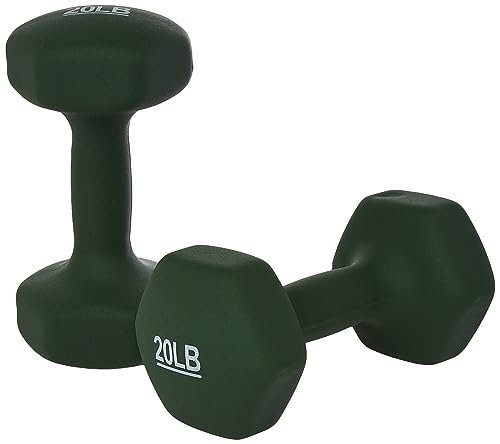 Budget Pick
Color-coded neoprene dumbbells from 1 to 20 lbs. Hex shape won't roll. Perfect starter set for apartment workouts.
Check price on Amazon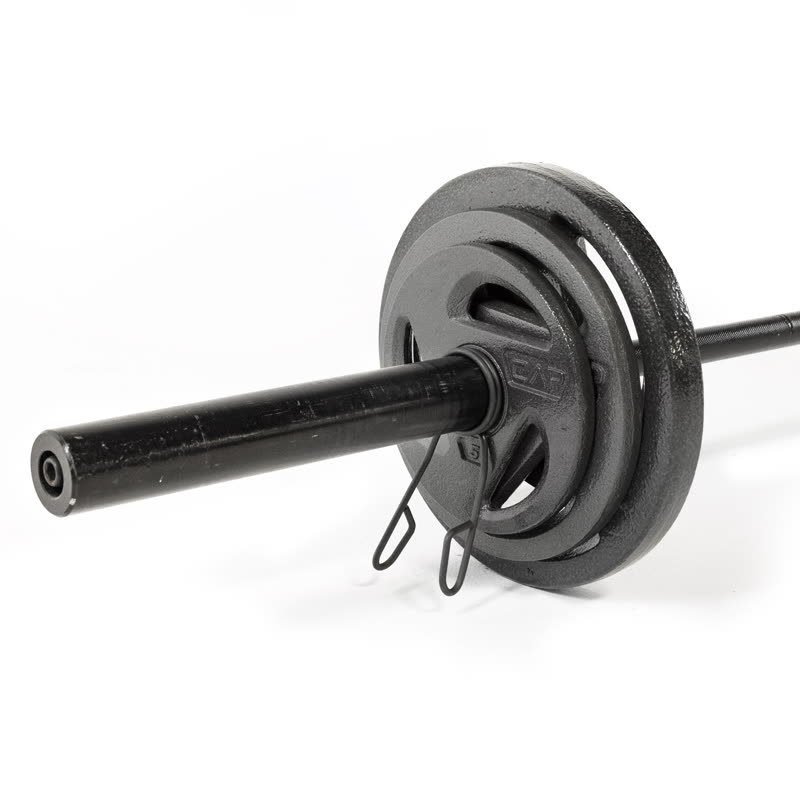
300 lb Olympic set with bar and plates. Cast iron, standard 2-inch holes. The foundation of any serious home gym.
Check price on Amazon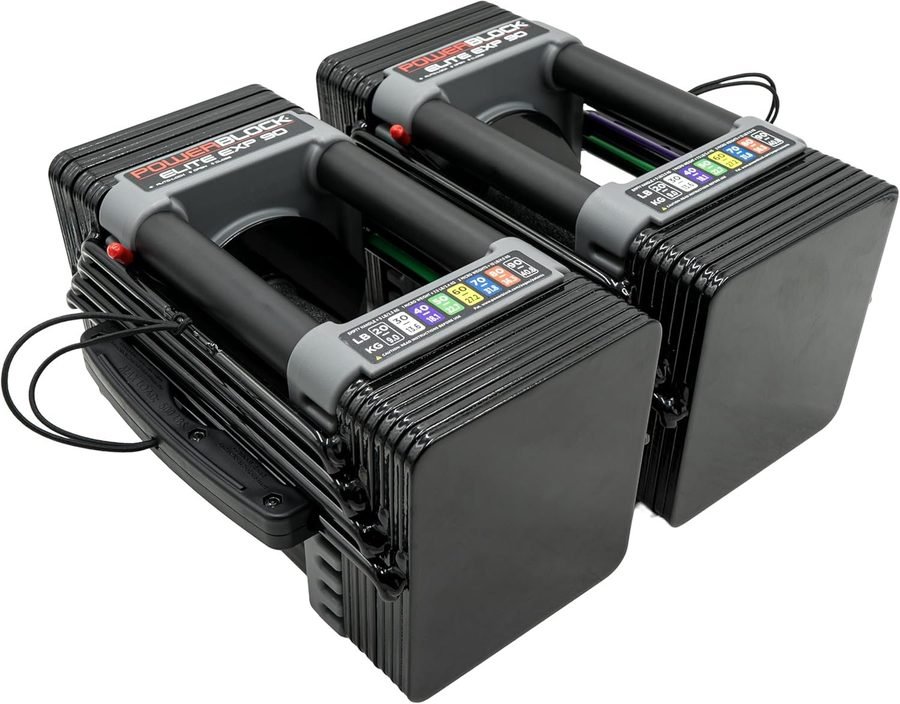 Expandable
Compact 'brick' shape stacks flat. Start at 50 lb and add Stage 2/3 kits later instead of buying a new set.
Check price on Amazon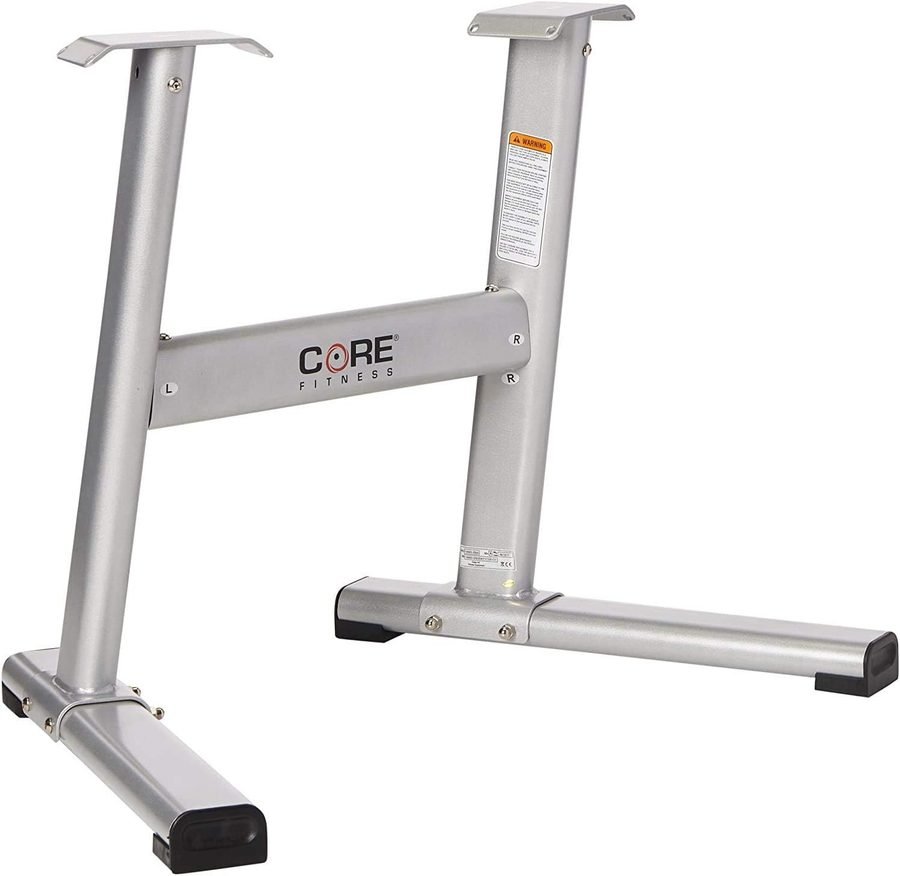
A dedicated stand keeps adjustable dumbbells off the floor and the weight plates organized between sets.
Check price on Amazon