 Top Pick
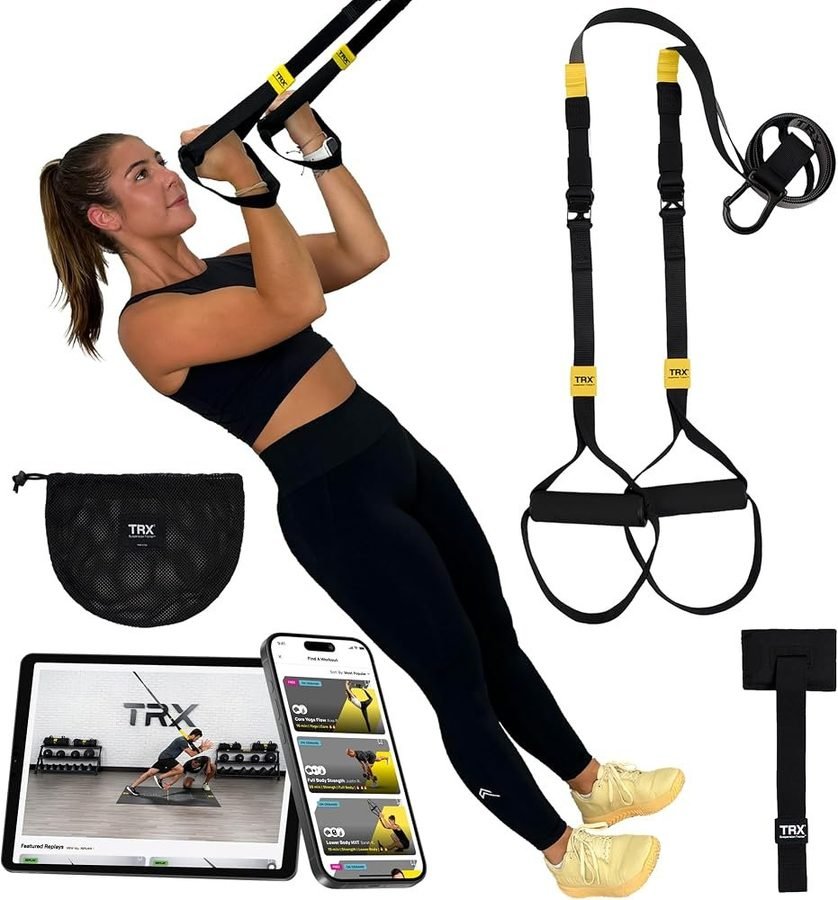
TRX GO Suspension Trainer
Gym-quality suspension trainer that packs into a bag. Anchors to any door — hundreds of bodyweight exercises from one strap.
Check price on AmazonAs an Amazon Associate I earn from qualifying purchases.
Bands, kettlebells, cable machines, and accessories to build serious strength.
Resistance bands, kettlebells, and suspension trainers solve the two things that actually stop people from training consistently: cost and space. A commercial gym membership is only valuable if you actually go, and the honest data on gym memberships is that most people stop showing up within a few months while the charge keeps hitting their card. A closet shelf of resistance gear has no such failure mode — it's already in the room you're standing in. A full resistance kit here runs under $250 total and stores in a closet shelf, versus a commercial gym membership plus commute time. None of it replaces a barbell for pure strength ceiling, but for building and maintaining muscle, all of it works — resistance is resistance, whether it comes from a plate stack, a band, or your own bodyweight against a strap.
A gym-quality suspension trainer that packs into a bag and anchors to any door frame — hundreds of bodyweight exercises (rows, presses, planks, lunges) from one strap. The pick for travel, small apartments, or anyone who wants a real full-body system without buying a rack of separate equipment. Adjustable straps let you change the leverage angle to make any movement easier or brutally harder, which is the mechanism that lets a single strap scale from a beginner's first row to an advanced single-arm pistol-squat progression. Wrong for pure strength building at heavy loads — bodyweight-anchored resistance tops out at whatever percentage of your bodyweight the angle allows, so it complements a barbell or dumbbell program rather than replacing one for someone chasing a heavier squat or bench number. What breaks after a year: the nylon webbing is rated for years of regular use, but the carabiner and door anchor are the parts worth inspecting every few months — a frayed anchor strap under bodyweight tension is the one real safety-relevant failure point.
Five resistance levels from light to X-heavy, useful for warm-ups, glute activation work, and physical therapy-style rehab movements. At under $10, this is the lowest-cost way to add real resistance training to any routine, home or gym. Latex bands like these lose elasticity over time, especially with UV exposure — stored in a drawer rather than left in direct sun, they hold their resistance level for a year or more of regular use; left in a hot car or windowsill, expect visible degradation within months. Wrong for anyone chasing heavy, near-maximal resistance — the top band tops out well below what a kettlebell or dumbbell delivers, so this is a warm-up and accessory tool, not a primary strength driver.
One kettlebell, multiple weights — add or remove plates in seconds for swings, goblet squats, and presses, without needing a full rack of fixed kettlebells at every 5 lb increment. Kettlebell movements in particular (swings, cleans, snatches) train power output in a way that slower dumbbell lifts don't. The adjustable plate-loading mechanism is the one part to check periodically — a loose plate mid-swing is the specific failure mode that makes kettlebell swings with a poorly-maintained adjustable unit riskier than with a solid cast-iron one, so a quick pre-workout check that everything's locked down matters more here than with a fixed-weight kettlebell.
Stackable power bands that take weight off a pull-up until you're strong enough to do it unassisted — grab a heavier band as your strength improves and the assistance need drops. The direct answer for anyone who can't yet do a strict pull-up and wants to actually get there instead of avoiding the movement. Latex bands here face the same UV and heat degradation as the Fit Simplify set — same storage rule applies.
A doorway pull-up bar that needs no screws, with multiple grip positions for pull-ups, chin-ups, and dips. Pairs directly with the assistance bands above for anyone building toward their first unassisted pull-up. Leverage-mounted (wedges against the door frame under your bodyweight rather than bolting in), which means it's genuinely no-installation but also depends entirely on a solid, properly-sized door frame — it's the wrong choice for a hollow interior door or a frame it doesn't fit snugly, since a poor fit is what leads to slipping under load. Rated typically to around 300 lb; check that against your bodyweight with margin before trusting it for dead-hang work.
A weighted ab wheel with a built-in carbon spring that adds resistance on the way out of the rollout, rather than just gravity on the way down. Genuinely harder on the core than a standard ab wheel, and easier on the wrists thanks to the spring absorbing some of the load. Wrong for complete beginners to core training — a full rollout from standing is an advanced movement that assumes a baseline of core strength; starting from the knees rather than standing is the right regression, not a sign the tool is too hard.
| Product | Price | Best for |
|---|---|---|
| TRX GO Suspension Trainer | $130 | Full-body training anywhere with a door |
| Fit Simplify Resistance Bands | $10 | Warm-ups, activation, rehab, lowest cost |
| Yes4All Adjustable Kettlebell | $60 | Progressive overload without a full rack |
| WODFitters Pull-Up Bands | $13 | Building toward your first unassisted pull-up |
| Iron Gym Pull-Up Bar | $25 | Doorway pulling/dip station, no installation |
| Perfect Fitness Ab Carver Pro | $30 | Harder core work than a standard ab wheel |
1. TRX GO Suspension Trainer ($130) — the anchor piece, covers pressing, pulling, and core. 2. Yes4All Adjustable Kettlebell ($60) — adds swings, cleans, and loaded squats. 3. Iron Gym Pull-Up Bar ($25) + WODFitters bands ($13) — a dedicated pulling progression. 4. Fit Simplify bands ($10) — warm-ups and activation before everything else.
Total: $238, and every piece here folds, packs, or mounts to a doorway — nothing requires a dedicated room.
Latex resistance bands are the shortest-lived item here — expect gradual loss of snap-back over a year of regular use even with good storage, faster with heat or sun exposure; a visible crack anywhere on a band means retire it immediately rather than risk a snap under tension. The TRX straps and the pull-up bar's frame are both rated for years of bodyweight loading; the connecting hardware (carabiners, door anchors) is what's worth a periodic visual check. The kettlebell's adjustment mechanism is the one moving part on an otherwise solid piece of steel — a quick check that plates are locked before each session is cheap insurance.
Bands provide real, measurable resistance throughout a movement — the muscle doesn't know whether tension is coming from a band, a plate stack, or a kettlebell, only that it's under load. Bands do lose and gain tension differently through a rep (less at the start, more at full stretch) than free weights, which is a training variable, not a reason they don't work.
Different strengths: dumbbells are better for controlled, symmetric lifts like presses and rows. Kettlebells excel at ballistic, power-based movements — swings, cleans, snatches — because the offset handle and center of mass reward speed and hip drive in a way a dumbbell doesn't. Most well-rounded setups use both.
Buy a set with a range (like the 5-level Fit Simplify set) rather than a single band — you'll want lighter bands for activation and rehab work and heavier ones for assisted pull-ups or loaded stretches, often in the same session.
Most anchor over the top of a standard door using a door anchor attachment, which the TRX GO includes — it needs a solid door frame (not a hollow bifold or sliding door) and enough clearance behind the door to move through full rows and presses.
Pair a pull-up bar with resistance-assistance bands: start with a band heavy enough to let you do 5-8 clean reps, and move to a lighter band every couple of weeks as full-bodyweight reps start becoming possible without assistance.
The steel handle and shell hold up the same either way — the difference is the internal plate-locking mechanism, which is one more part that can loosen over time versus a one-piece cast kettlebell that has nothing to maintain. For swings and ballistic work specifically, a quick pre-session check that the mechanism is locked is worth the few seconds it takes.
For a full bodyweight-only setup built around a doorway bar and a suspension trainer, see the bodyweight home setup guide. If you're deciding between a kettlebell and adjustable dumbbells for your primary strength tool, see kettlebell vs. dumbbells.
Top Pick
Gym-quality suspension trainer that packs into a bag. Anchors to any door — hundreds of bodyweight exercises from one strap.
Check price on Amazon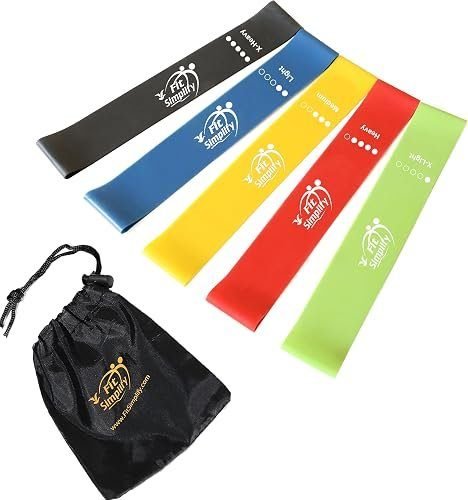 Budget Pick
5 levels from light to X-heavy. Perfect for warm-ups, glute activation, and physical therapy. Under $10.
Check price on Amazon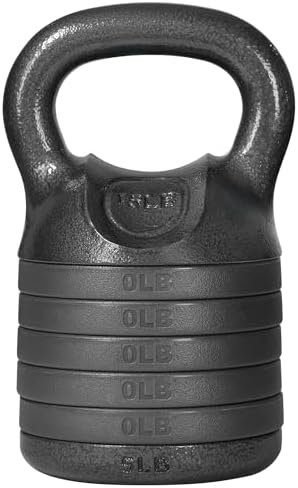 Space Saver
One kettlebell, multiple weights. Add or drop plates in seconds for swings, goblet squats, and presses without a full rack.
Check price on Amazon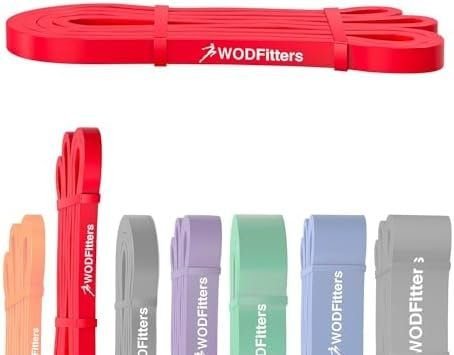
Stackable power bands for pull-up assistance, mobility, and full-body resistance. Grab a heavier band as you get stronger.
Check price on Amazon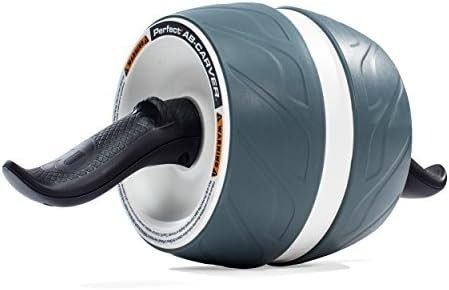
Weighted ab wheel with a built-in carbon spring that adds resistance on the way out. Brutal on the core, kind to the wrists.
Check price on Amazon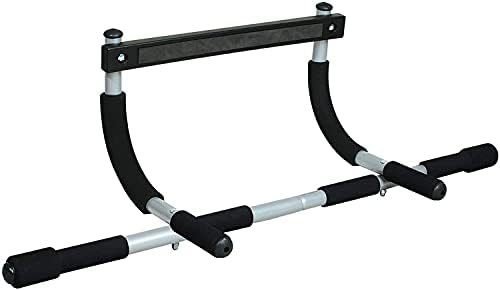 Budget Pick
Doorway pull-up bar that needs no screws. Multiple grips for pull-ups, chin-ups, and dips. Bodyweight back training at home.
Check price on Amazon