 Budget Pick
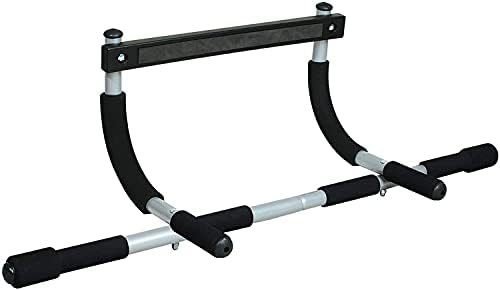
Iron Gym Total Upper Body Pull-Up Bar
Doorway pull-up bar that needs no screws. Multiple grips for pull-ups, chin-ups, and dips. Bodyweight back training at home.
Check price on AmazonAs an Amazon Associate I earn from qualifying purchases.
A doorway pull-up bar, suspension trainer, and bands cover most exercises that matter — no rack required.
Bodyweight plus a few anchor points builds serious strength — pull-ups, rows, dips, presses, and core work all from one doorway. The whole setup below costs less than a couple months of boutique gym membership.
The case against needing a barbell and rack for real strength isn't that they're bad tools — it's that most people never actually get around to using them consistently once they're an intimidating piece of furniture in the garage. Bodyweight training with the right anchor points removes almost every excuse: no loading plates, no safety pins to set, nothing that takes more than the time it takes to hang a strap over a door. Pull-ups, rows, dips, and presses through a suspension trainer scale in difficulty by changing your body angle rather than adding plates — which means the same $200 kit trains a complete beginner and, years later, still challenges someone who's added serious strength.
The honest limitation: bodyweight-anchored resistance has a ceiling. You can make any movement harder by changing leverage, tempo, or single-limb variations, but you can't keep scaling load indefinitely the way a barbell allows. For most people training for general strength, health, and muscle, that ceiling is much higher than they'll ever actually reach.
A leverage-mounted doorway bar that needs no screws — it wedges against the door frame under your bodyweight. Multiple grip positions (wide, narrow, neutral) cover pull-ups, chin-ups, and dips. This is the piece everything else in a bodyweight system references — pull-ups and hanging core work don't happen without an overhead anchor. Rated typically to around 300 lb; check your bodyweight against that with margin, and confirm your doorway trim is solid wood, not a hollow or hinged surface, before trusting it for a full dead hang. What to check periodically: the foam grips can compress and the frame can develop a slight wobble after a couple years of heavy daily use — tightening the frame against the door trim usually resolves it.
Two adjustable straps that anchor over the same door (or any solid anchor point) and turn your own bodyweight into resistance for rows, presses, planks, and single-leg work. The adjustment is the whole trick: changing the strap length or your foot/hand position changes the leverage angle, which is how the same two straps train a beginner's first assisted row and, years later, an advanced single-arm pistol squat. This is the single highest-value piece in the kit for total exercise variety — hundreds of movements from one anchor point. Packs into a small bag for travel, which a rack obviously doesn't. What to check periodically: the nylon webbing itself is built for years of use, but the carabiner and door anchor are the parts worth a visual inspection every few months, since they're what's actually under tension during a heavy row or press.
Stackable loop bands that anchor to the pull-up bar and take a portion of your bodyweight off each rep — step a foot or knee into the band, and it does part of the work until you're strong enough to remove it. The direct, structured path to a first unassisted pull-up rather than avoiding the movement until it happens by accident. Buy a set with multiple resistance levels so you can reduce assistance gradually every couple of weeks as reps get easier, rather than being stuck on one band the whole way.
A weighted ab wheel with a built-in carbon spring that resists on the way out of a rollout, not just gravity pulling you down — genuinely harder on the core and easier on the wrists than a bare ab wheel. Pairs with the suspension trainer for a complete core circuit (rollouts plus TRX planks and pikes) without needing a bench or floor machine. Start rollouts from the knees, not standing — a full standing rollout is an advanced progression that assumes real core strength already, and going straight to it is a common way people strain their lower back on what looks like a simple tool.
Five loop bands from light to X-heavy, used here for glute activation and shoulder warm-up work before the harder movements above, plus light rehab-style stretching on rest days. The cheapest real addition to the kit and arguably the one people skip most, which is a mistake — a couple minutes of band activation work before pull-ups and suspension training measurably improves how the harder sets feel.
6mm of cushion for the ab wheel work, floor stretching, and any core or mobility work that puts knees or a spine against the floor. Skip this and a hardwood or tile floor becomes the actual reason a floor-based routine gets abandoned within a few weeks — it's a small cost relative to how much it affects whether the rest of the kit gets used consistently.
| Item | Price | Role | Skip if |
|---|---|---|---|
| Iron Gym Pull-Up Bar | $25 | The overhead anchor everything needs | You have a permanent pull-up bar already |
| TRX GO Suspension Trainer | $130 | Most exercise variety per dollar | You want strength training only, no bodyweight work |
| WODFitters Assistance Bands | $13 | Path to your first pull-up | You can already do 5+ strict pull-ups |
| Perfect Fitness Ab Carver Pro | $30 | Hardest core tool in the kit | You already have dedicated core equipment |
| Fit Simplify Resistance Bands | $10 | Warm-up and activation | You warm up with bodyweight only |
| GAIAM Yoga Mat | $25 | Floor-work base | You have a mat already |
Total: $233 for the full kit, or $168 if you skip the assistance bands because you can already do strict pull-ups.
1. Pull-up bar ($25) — the anchor point that makes half the rest of this list possible. 2. TRX GO ($130) — the highest exercise-variety-per-dollar item here; this is what turns a doorway into a gym. 3. Mat ($25) — cheap, and it's the difference between doing floor work consistently and avoiding it. 4. Ab Carver Pro ($30) — once the basics are a habit and core work specifically needs to get harder. 5. Assistance bands ($13) and resistance bands ($10) — add either or both any time; neither depends on owning the others first.
Three rounds of this covers pull, push, core, and legs in about 25 minutes with no rest between exercises except a minute at the end of each round: TRX rows x10, TRX chest press x10, band-assisted (or unassisted) pull-ups x5-8, TRX single-leg squats x8 per side, Ab Carver rollouts from the knees x10, and a 30-second TRX plank. This isn't a full program on its own, but it's proof the kit above covers every major movement pattern without a single plate or barbell in the room.
Be honest about the ceiling: this kit builds real strength, especially in pulling and core work, but it has no path to a genuinely heavy squat or deadlift the way a barbell does — those movements need external load a bodyweight system can't fully replicate through leverage alone. If your goal eventually includes serious lower-body strength numbers, this is a complete starting system, not a permanent replacement for a barbell and plates. See best home gym equipment for the barbell-and-rack path once you're there, or home gym under $500 for a hybrid approach.
Yes, for the upper body and core specifically — pull, push, and core movements scale meaningfully through leverage and tempo changes alone. The clearer gap is lower-body strength ceiling: bodyweight squats and lunges train endurance and technique well, but they don't scale load the way a loaded barbell squat does over years of progress.
For movement variety and portability, yes — it covers rows, presses, planks, and mobility work a cable machine also covers, in a fraction of the space and cost. What it can't replicate is heavy, precisely loaded resistance at a fixed weight; a cable stack lets you add 5 lb increments indefinitely, while TRX resistance is capped by your own bodyweight and the leverage angle you choose.
Highly individual, but a reasonable pattern is reducing assistance every 1-3 weeks as reps with the current band start feeling easy — most people who train pull-ups consistently with a structured band progression see their first unassisted rep within a few months, versus potentially years of avoiding the movement entirely without a structured path.
Properly installed on solid wood trim, it shouldn't — the bar wedges under your bodyweight against the frame rather than screwing in. It's worth double-checking the trim is solid (not hollow, veneer, or a decorative molding that could crack) before your first full-weight hang, since that's the actual failure risk, not the bar itself.
They're built for different jobs even though both are elastic bands — the loop resistance bands are for light warm-up, activation, and stretching work, while the pull-up assistance bands are heavier-duty and rated specifically for taking a portion of bodyweight off a hanging pull. Using a light warm-up band to assist a pull-up under-delivers the support you actually need.
Budget Pick
Doorway pull-up bar that needs no screws. Multiple grips for pull-ups, chin-ups, and dips. Bodyweight back training at home.
Check price on Amazon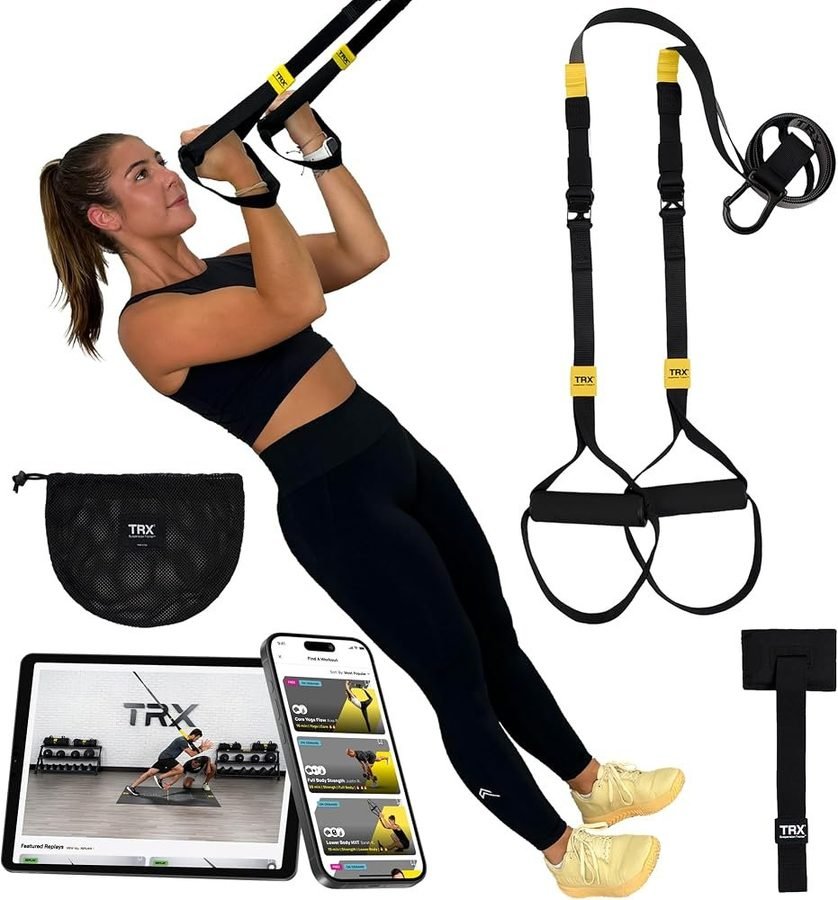 Top Pick
Gym-quality suspension trainer that packs into a bag. Anchors to any door — hundreds of bodyweight exercises from one strap.
Check price on Amazon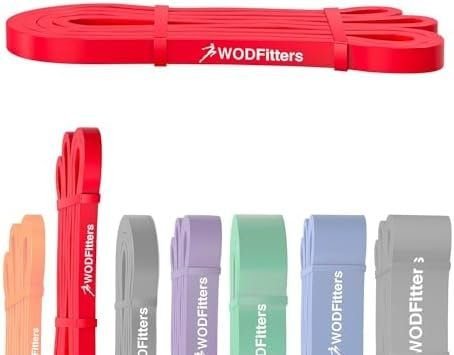
Stackable power bands for pull-up assistance, mobility, and full-body resistance. Grab a heavier band as you get stronger.
Check price on Amazon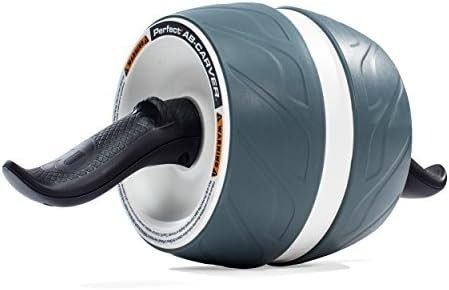
Weighted ab wheel with a built-in carbon spring that adds resistance on the way out. Brutal on the core, kind to the wrists.
Check price on Amazon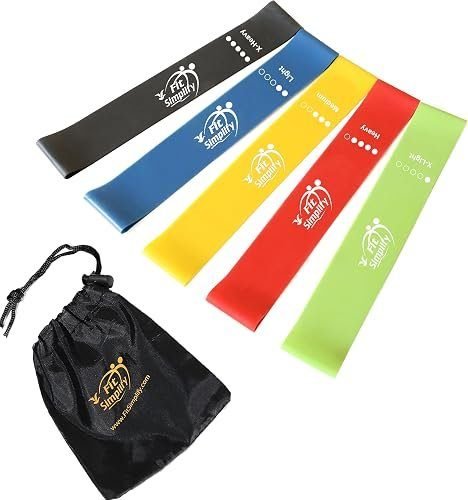 Budget Pick
5 levels from light to X-heavy. Perfect for warm-ups, glute activation, and physical therapy. Under $10.
Check price on Amazon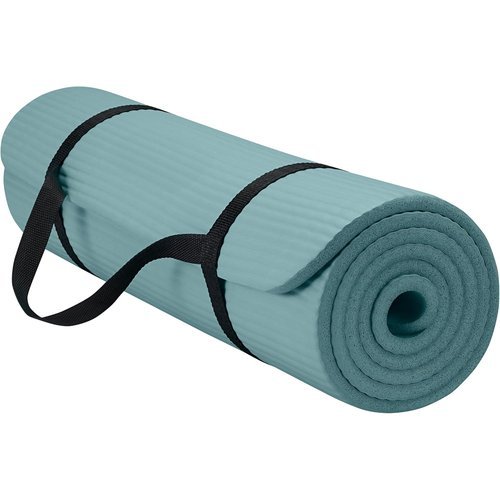 Budget Pick
6mm thick, non-slip texture, includes carry strap. Best bang-for-buck yoga mat under $25.
Check price on Amazon