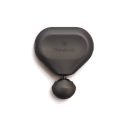
Theragun Mini (3rd Gen)
Portable percussion massager. 3 speeds, 150 min battery. Fits in your gym bag. Actually worth the hype.
Check price on AmazonAs an Amazon Associate I earn from qualifying purchases.
Massage guns, foam rollers, yoga mats, and mobility tools that actually work.
Training breaks muscle tissue down; recovery is the part of the cycle where it actually rebuilds stronger. Skip it and you don't just feel worse — you blunt the entire point of the workout you just did. None of that requires expensive gear. It requires blood flow, tissue that can move through a full range of motion, and enough consistency that recovery becomes a habit instead of something you remember after a bad DOMS day. The five tools below cover the real categories: percussion (massage guns), rolling (foam rollers and the Chirp Wheel), and the floor-work base everything else needs (a mat).
None of these compete with actual sleep, hydration, and protein intake, which still do more for recovery than any tool on this page. They're the 20% on top of the fundamentals, not a replacement for them.
The compact version of the massage gun that popularized percussion therapy, and still the benchmark the rest of the category gets compared to. Three speed settings, roughly 150 minutes of battery life, small enough to fit in a gym bag rather than living on a shelf. The QuietForce motor is the real differentiator over cheaper guns — noticeably quieter at the same intensity, which matters if you're using it while watching TV or before bed without waking anyone up. Wrong for anyone on a tight budget: it's 3x the price of the RENPHO below for a real but incremental quality difference, not a 3x-better result. What breaks after a year: the rechargeable battery is the part that degrades first on any cordless massage gun — expect somewhat shorter run time by year two, which is normal wear, not a defect.
A third of the Theragun's price with the same core function — percussion therapy across multiple speed settings and swappable head attachments for different muscle groups. Louder and slightly less refined in feel than the Theragun, and the battery life and long-term durability track record are shorter, but for most casual users targeting a tight IT band or sore calves after a run, the difference in outcome versus the Theragun is small relative to the difference in price. The honest budget pick, not a compromise pick.
The roller most physical therapists actually recommend, with a multi-density surface pattern that mimics a therapist's hands better than a plain foam cylinder. Best for quads, lats, glutes, and IT band work where a massage gun's small head covers too little area per pass. Hollow core keeps it lightweight without collapsing under bodyweight — the failure mode on cheap solid-foam rollers is going soft and losing shape after months of use, which the GRID's rigid inner core avoids. Wrong for anyone with acute, sharp pain rather than general tightness — that's a sign to see a professional, not roll harder.
A wheel-shaped roller sized to fit the natural curve of your spine, combining rolling pressure with a genuine extension stretch that counters hours of sitting or hunched training positions — a flat foam roller can't replicate that spinal arch. The pick for anyone whose main complaint is a stiff lower or mid back rather than tight legs. Takes a few sessions to get used to — going in too aggressive on day one is the most common mistake, since the stretch is deeper than it looks.
6mm of cushion — thick enough that rolling, stretching, and floor mobility work don't leave your spine or knees against bare hardwood, which is the actual reason most people stop a floor-based recovery routine within a few weeks. Non-slip on both sides, rolls up small enough to store in a closet corner. Not built for hot yoga-level sweat grip — if that's the use case, a dedicated sweat-grip mat is a better fit, but for stretching and rolling this is the right thickness and price.
| Product | Price | Best for | Category |
|---|---|---|---|
| Theragun Mini | $149 | Best overall percussion quality | Massage gun |
| RENPHO Massage Gun | $50 | Same function, a third of the price | Massage gun |
| TriggerPoint GRID | $25 | Large muscle groups, PT-recommended | Foam roller |
| Chirp Wheel+ | $40 | Back-specific stretch and roll | Back roller |
| GAIAM Essentials Mat | $25 | The floor-work base for everything else | Mat |
1. GAIAM mat ($25) — the base everything else happens on. 2. TriggerPoint GRID ($25) — general rolling for the big muscle groups. 3. Chirp Wheel+ ($40) — add if your back specifically is the recurring problem. 4. RENPHO Massage Gun ($50) — spot treatment for calves, traps, and other small, specific tight spots.
Total: $140, covering every recovery category except the premium massage gun — see our recovery tools under $100 guide for a tighter budget breakdown of the same idea.
Massage guns are the item most likely to fail, because they're the only motorized product here — the battery is the wear part, degrading gradually rather than failing outright, and the motor itself is the rare true failure point after heavy, daily use over a couple of years. Foam rollers and the Chirp Wheel have almost no failure mode beyond the foam surface gradually compressing and losing density after a year or two of hard use — a sign it's time to replace, not a defect. A mat's failure mode is the surface losing its grip texture over many months of sweat exposure; wiping it down after use extends that considerably.
They solve overlapping but different problems. A massage gun is faster and more localized — good for a specific tight spot in a couple of minutes. A foam roller covers more surface area per pass and forces you to move through the muscle, which some people find more effective for larger areas like quads or the IT band. Most serious lifters end up with both rather than picking one.
Consistency matters more than intensity here — 5-10 minutes after every training session beats a single 45-minute session once a week. Recovery work compounds; sporadic use mostly just feels good in the moment without building the lasting mobility improvement.
Only with real limitations — reaching your own upper back and spine safely with a gun is awkward and the muscles right along the spine are an area to avoid with direct percussion. That's exactly the gap a Chirp Wheel or a partner's help fills better than a massage gun can.
For most casual users, no — the RENPHO does the same core job. The Theragun's advantages (quieter motor, longer battery life, tighter build quality) matter more to people using it daily for years or professionals who need it reliable every single session. If you're recovering from a hard workout a few times a week, the RENPHO gets you most of the outcome for a third of the cost.
Thickness matters more for recovery work than for standing exercises — you're on your knees, hips, and spine directly against the floor during rolling and stretching, not just standing on it. 6mm like the GAIAM is a solid minimum; thinner mats (3-4mm, common in yoga-specific mats) can leave pressure points on hard floors during longer sessions.
For a complete budget-friendly recovery kit and buy order, see the recovery tools under $100 guide. Deciding directly between the two massage guns above? See Theragun Mini vs. RENPHO for the full breakdown.
Portable percussion massager. 3 speeds, 150 min battery. Fits in your gym bag. Actually worth the hype.
Check price on Amazon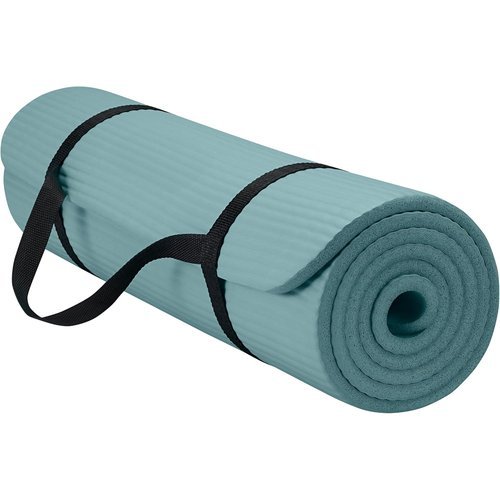 Budget Pick
6mm thick, non-slip texture, includes carry strap. Best bang-for-buck yoga mat under $25.
Check price on Amazon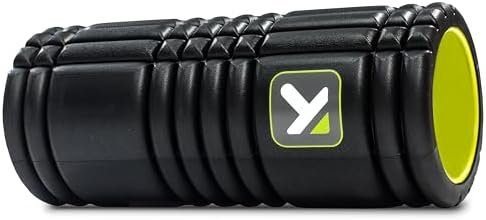 Best Seller
Multi-density foam that holds its shape for years. The foam roller physical therapists actually recommend.
Check price on Amazon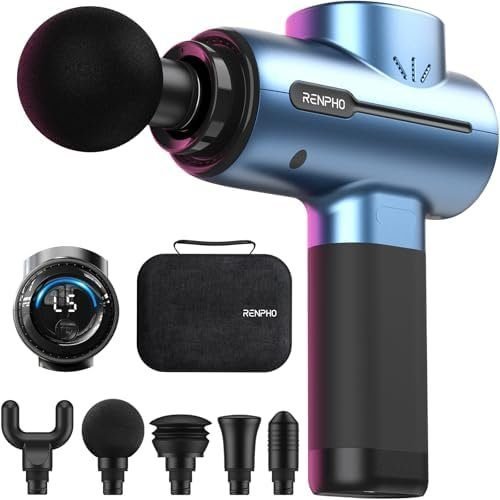 Budget Pick
Percussion therapy at a third of the Theragun price. Multiple heads for back, legs, and shoulders.
Check price on Amazon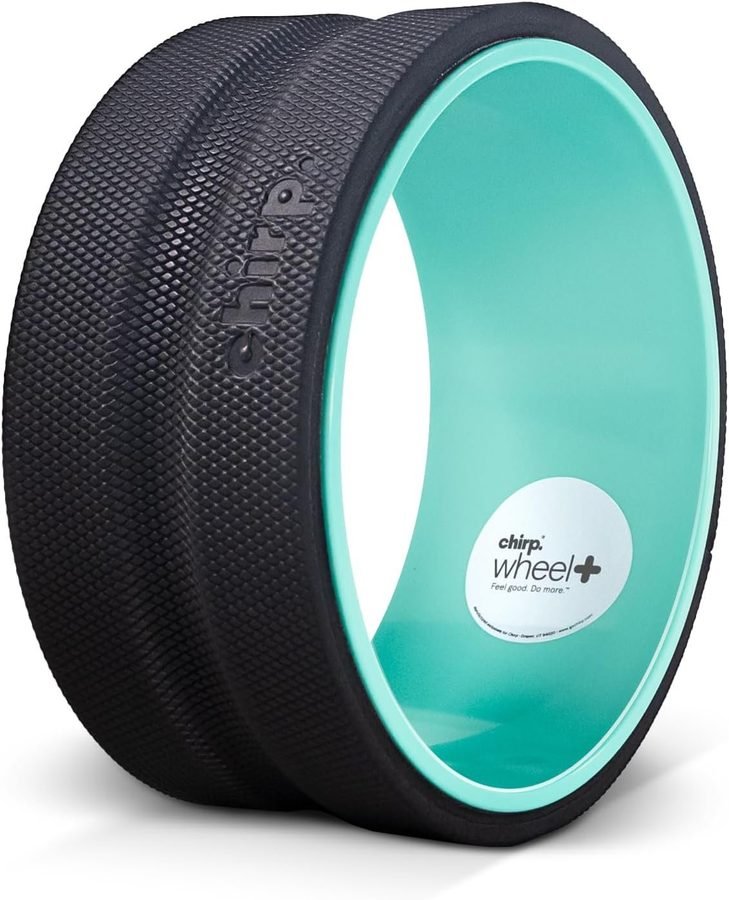
Rounded wheel that stretches and rolls your back at once. Genuinely different from a flat foam roller.
Check price on Amazon