 Space Saver
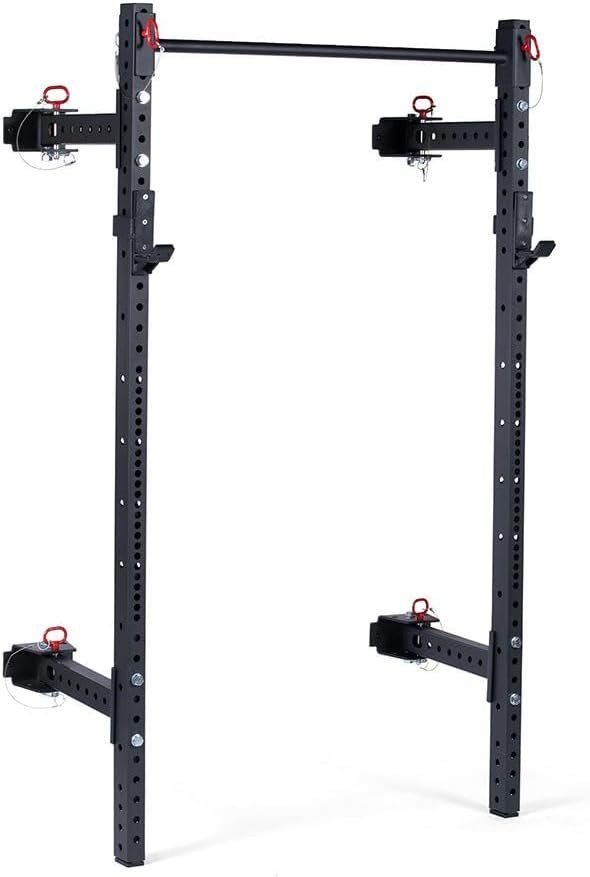
Titan Fitness T-3 Wall-Mounted Folding Power Rack
Folds flat against the wall when not in use. Full squat-rack strength training without losing the garage.
Check price on AmazonAs an Amazon Associate I earn from qualifying purchases.
Space Saver
Folds flat against the wall when not in use. Full squat-rack strength training without losing the garage.
Check price on Amazon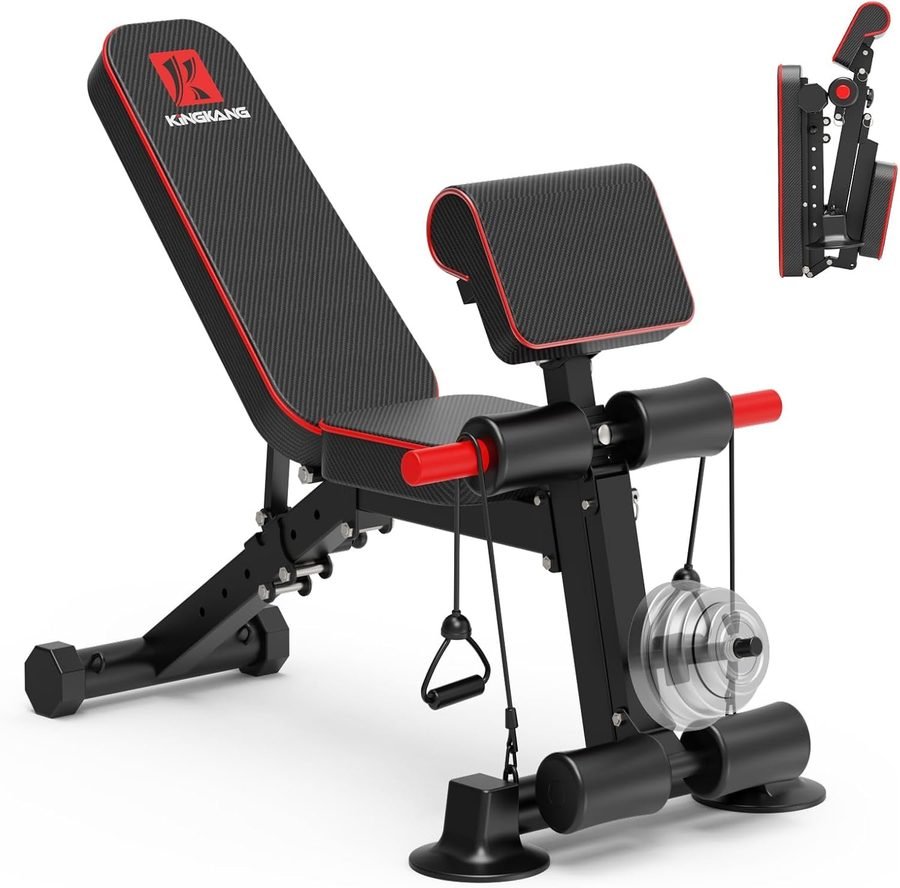 Best Seller
8-level backrest, folds flat for storage. Pairs with any adjustable dumbbell set for a real strength routine.
Check price on Amazon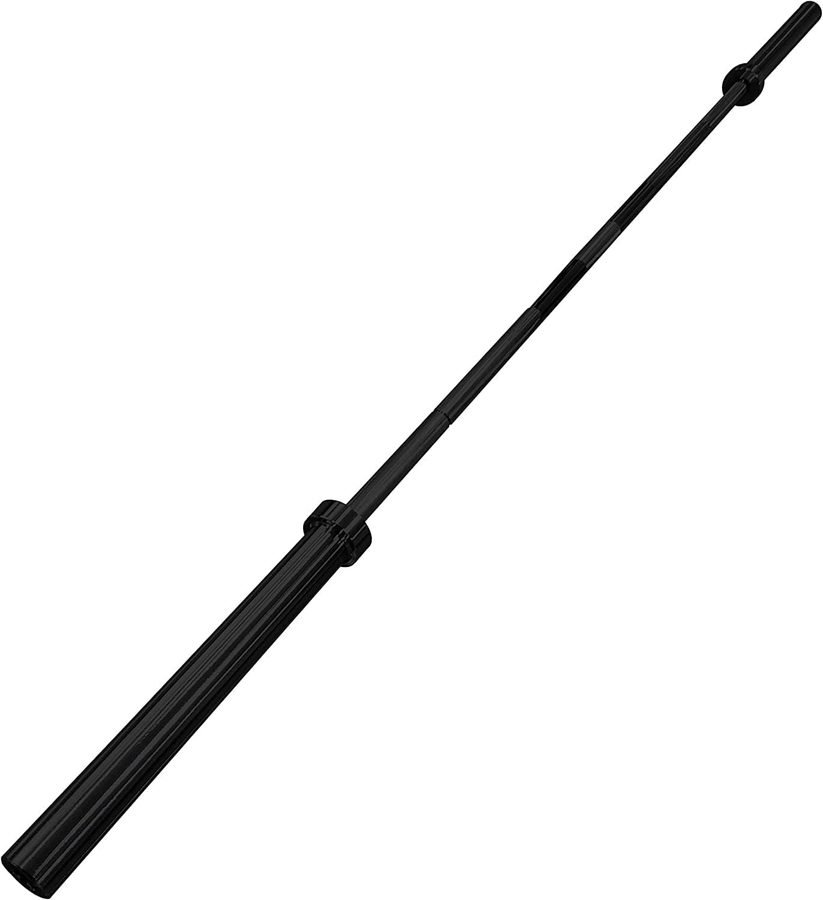
Standard 7ft, 2-inch Olympic barbell. The bar every home gym eventually needs once you outgrow dumbbells alone.
Check price on Amazon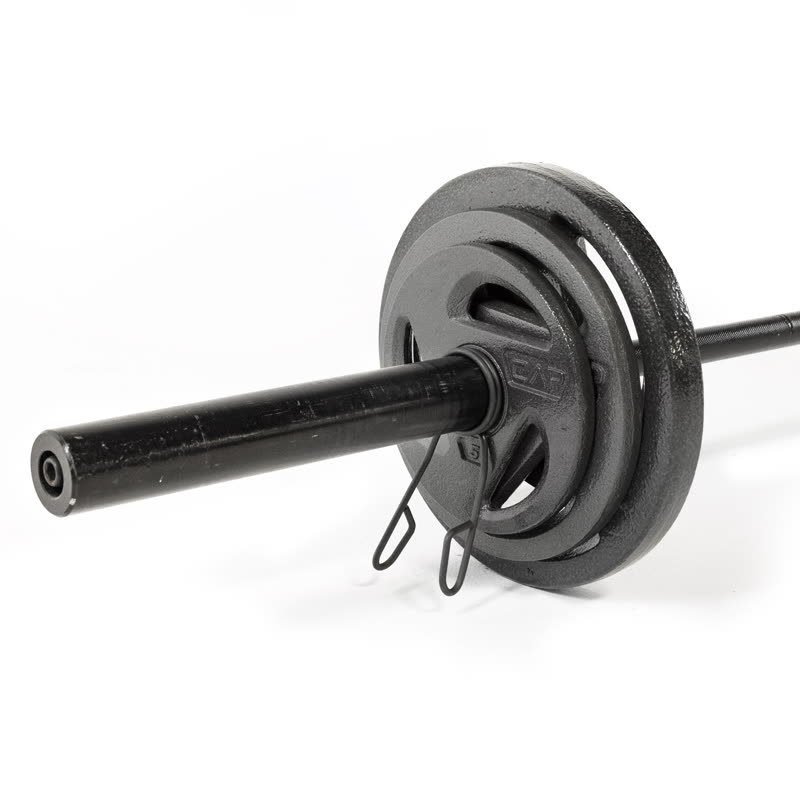
300 lb Olympic set with bar and plates. Cast iron, standard 2-inch holes. The foundation of any serious home gym.
Check price on AmazonA power rack is the piece that turns a room with weights in it into a gym you can train alone in safely. It holds the bar at the right height and catches it when a rep fails, which is the entire reason you can squat and bench at home without a spotter.
It is also the purchase people make too early. A rack is excellent equipment and a terrible first buy — it needs a barbell, plates, a bench, floor protection and roughly 7 feet of ceiling before it does anything at all. Budget for the setup, not the rack.
Steel gauge and tube size. 11-gauge steel in a 3x3 inch tube is the commercial standard. 12-gauge in 2x3 is the common home spec and is genuinely fine for the loads most people will ever put on it. 14-gauge with a thin upright is where the wobble complaints come from. Lower gauge number means thicker steel — the numbering runs backwards, which is how people buy the weak one by accident.
Hole spacing. One inch apart through the bench and squat range ("Westside spacing") means you can set the safeties exactly where they need to be. Two-inch spacing means the safety is sometimes an inch too low for a bench press, which is the one lift where an inch matters a great deal.
Weight capacity, read honestly. A listed 1,000 lb capacity is usually a static rating measured on a bolted-down rack. If yours is freestanding, the real limit is lower and the failure mode is tipping, not snapping.
Bolt-down or not. Bolting to a concrete slab makes almost any rack rock solid. If you cannot bolt down — apartment, wood subfloor, rental — buy a rack with a wide flat-foot base or a wall-mounted design, and expect to load the base with plates.
Ceiling height. Measure before buying. A standard 7 ft rack needs about 7 ft 6 in of ceiling for comfortable pull-ups, and a shorter rack that lets you press overhead is a better purchase than a tall one you cannot use.
A wall-mounted folding rack is the answer for a shared garage. It bolts into studs, folds to a few inches deep, and gives up nothing structurally because the wall is doing the work. The catch: it must go into real framing, and the fold means you set up and pack down every session.
A half rack or squat stand costs less and takes less space, but the safeties are shorter, so a failed squat has a smaller margin. Fine for pressing and pulling, less good as the only thing between you and a loaded bar.
A full four-post rack is the safest and the biggest. If you have a dedicated space and a concrete floor, this is the buy-once option, and it doubles as a pull-up bar and a landmine anchor.
Pricing only the rack is how people end up with a $300 steel frame and nothing to put in it. The complete setup:
If you are training three days a week with dumbbells and have never squatted with a bar, the rack is not your bottleneck. Adjustable dumbbells and a bench cover pressing, rowing, squatting, lunging and hinging in a fraction of the space and cost. Buy the rack when the dumbbells have stopped being heavy enough — that is a real, obvious moment, and it arrives later than most people expect.
The full build order is in home gym under $500 and home gym budget tiers.
A power rack surrounds you on four posts with long safety bars, so a failed rep lands on steel. A squat stand is two uprights holding the bar, usually with shorter or no safeties. The rack is safer for training alone; the stand is cheaper and smaller.
For the loads a home lifter uses, yes. 11-gauge and 3x3 tubing is the commercial standard and worth it if you are lifting heavy or bolting nothing down, but 12-gauge racks handle hundreds of pounds without complaint. The wobble people report is usually a tall freestanding rack that was never bolted or weighted.
Not always, but it removes every stability concern at once. If you cannot drill, choose a wide-base or wall-mounted rack and load plates onto the base. Never bolt into a floor you do not own without asking.
Around 7 ft 6 in for a standard rack with comfortable pull-ups, and at least a foot of clearance above your reach for overhead pressing. Short-ceiling basements are the single most common reason a rack gets returned, so measure first.
Rack, bar, plates, bench and mats realistically land between $700 and $1,200 for a solid starter setup, with the plates being the part that scales with how strong you get. That is roughly two years of a gym membership, which is the honest way to frame the decision.