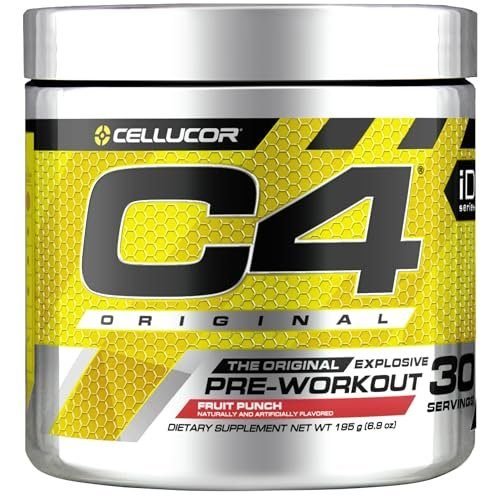
Cellucor C4 Original Pre-Workout
150mg caffeine, beta-alanine tingles, and CarnoSyn. Solid starter pre-workout without going crazy on stims.
Check price on AmazonAs an Amazon Associate I earn from qualifying purchases.
150mg caffeine, beta-alanine tingles, and CarnoSyn. Solid starter pre-workout without going crazy on stims.
Check price on Amazon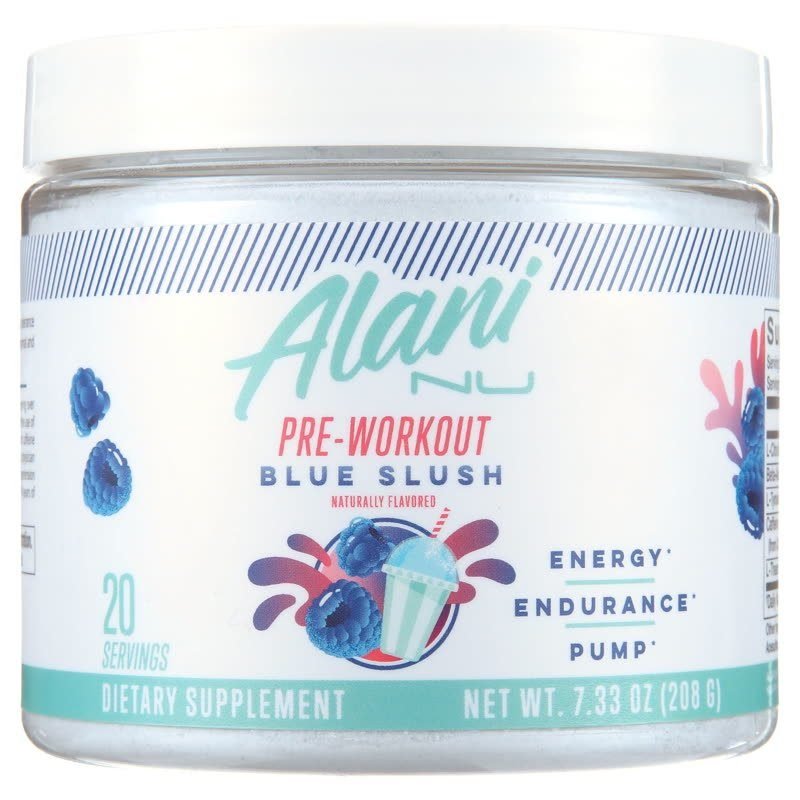 TikTok Famous
200mg caffeine, clean label, amazing flavors (Cosmic Stardust is insane). The aesthetic pre-workout that actually works.
Check price on Amazon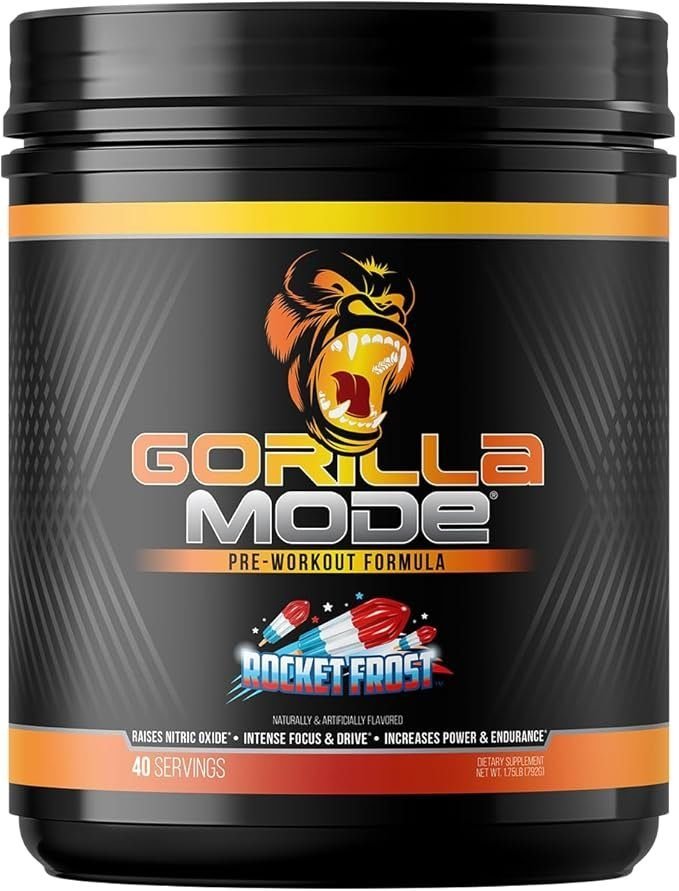
High-stim, fully dosed. 350mg caffeine, 9g citrulline, 5g creatine. Not for beginners but hits like a truck.
Check price on Amazon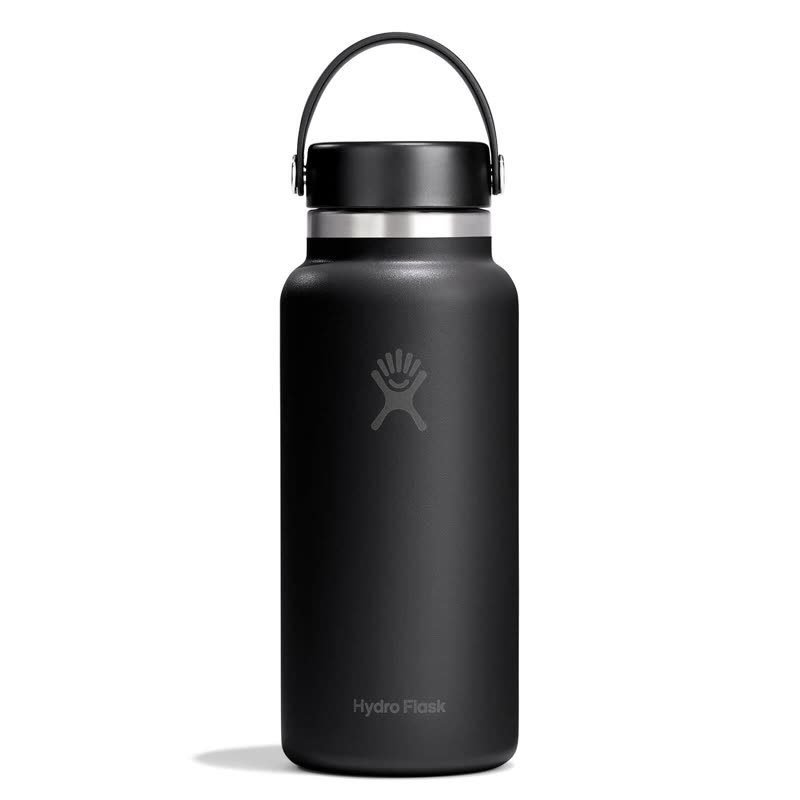
Keeps water ice cold 24hrs. Wide mouth fits ice cubes. The gym water bottle you'll actually keep using.
Check price on AmazonPre-workout is caffeine, plus a handful of ingredients with real but modest effects, plus a long list that exists to make the label look impressive. Knowing which is which turns a confusing aisle into a two-minute decision.
Nothing here is required. A cup of coffee thirty minutes before training gets you most of the effect for pennies. What a good pre-workout adds is dose control and the two or three ingredients that coffee does not have.
Caffeine — the ingredient that does the work. 150–300 mg is the effective range for most people, and 400 mg is the daily ceiling health authorities name for healthy adults. A scoop at 350 mg is not "stronger," it is closer to the limit, and it is why some people cannot sleep at 11 p.m. after a 6 p.m. session. Caffeine has a half-life of about five hours, so half of a 5 p.m. dose is still in you at 10 p.m.
L-Citrulline — the pump ingredient that has evidence. 6–8 g of citrulline (or about 8 g of citrulline malate) raises blood flow and modestly improves endurance in repeated sets. Most products under-dose it badly — 1 or 2 g appears on the label for the name, not the effect.
Beta-alanine — real, and the reason you tingle. 3.2 g daily buffers acid in sets lasting 60–240 seconds. The tingling is harmless and is not evidence of anything working; it happens at doses well below and above the useful one. It also works cumulatively over weeks, which means a single serving before a session does almost nothing on its own.
Creatine, if it is in there. Fine, but 5 g daily is what matters and the timing does not, so buying it separately is cheaper and more reliable than whatever fraction is in a scoop.
Betaine, taurine, tyrosine, electrolytes. Small effects at proper doses, usually present in trace amounts.
Proprietary blends. If the label groups ten ingredients under one total, you cannot tell whether the citrulline is 6 g or 200 mg. Assume the cheap ones dominate — that is the point of the blend.
1. Find the caffeine number. If it is missing or hidden in a blend, put it down. 2. Check citrulline is at least 6 g. Under that, the pump claim is decoration. 3. Check beta-alanine is around 3.2 g if you want the effect, and understand it takes weeks of daily use. 4. Count the ingredients. Past about six actives, you are paying for the list. 5. Check the serving size. "40 servings" at half a scoop is 20 real servings.
Anyone training in the evening. The one thing pre-workout reliably damages is sleep, and sleep is worth more than every supplement on this site combined.
Anyone sensitive to stimulants. The jitters, the racing heart and the crash are not a sign it is working; they are a sign of too much caffeine. Stimulant-free versions exist and are mostly citrulline — which is a fine product, just not an energy product.
Beginners in their first few months. The limiting factor is not alertness, it is consistency. Spend the money on protein and something to train with.
Caffeine tolerance builds in one to two weeks of daily use, which is the whole economics of this category: the tub that felt amazing in week one feels like nothing in week four, and the marketed fix is a stronger tub. The actual fix is using it two or three days a week — hard sessions only — and drinking water on the others.
That single habit is worth more than any brand difference on the shelf.
Pick a transparent-label product in the 150–250 mg caffeine range with 6 g or more of citrulline, in a flavour you will finish. Then use it on the two or three hardest sessions of the week rather than every day.
If it is your first tub, start with half a scoop to find out how you react. People discover their caffeine tolerance the hard way, once, and then never forget it.
And drink water. Dehydration produces exactly the symptoms people blame on a weak pre-workout — flat, heavy, no energy. A bottle you actually carry fixes more sessions than a stimulant does.
More detail on doses and labels: best pre-workout for beginners. The rest of the shelf is covered in beginner supplements, and best protein powder handles the tub that matters more.
Yes, mostly through caffeine — measurably more alertness, slightly more work done, less perceived effort. Citrulline and beta-alanine add small real effects at proper doses. What it does not do is change your body composition; that is training and food.
For healthy adults, at sensible caffeine doses, yes. The risks come from stacking it with coffee and energy drinks on the same day, taking it late, or using a product that hides its caffeine content in a blend. Under 400 mg total per day is the standard guideline.
Yes, and for many people that is the better answer — same active ingredient, a fraction of the price, no proprietary blend. You lose citrulline and beta-alanine, which are worth having but are not what makes a session feel different.
Beta-alanine. It is called paraesthesia, it is harmless, it fades in 20–30 minutes, and it is unrelated to how well the product works. Some people find it unpleasant enough to choose a product without it.
No. Caffeine tolerance builds within a couple of weeks of daily use, so the product stops working and the dose creeps up. Two or three of your hardest sessions a week keeps it effective indefinitely.