 Best Seller
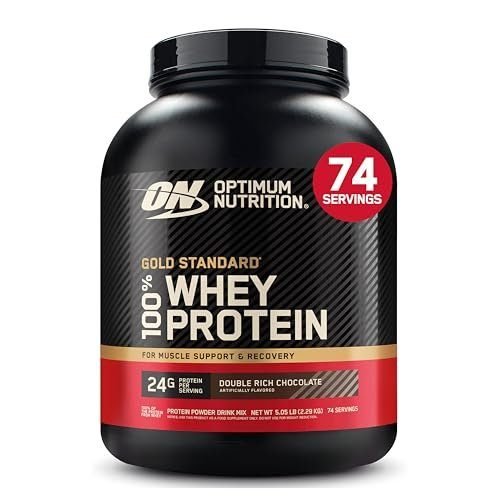
Optimum Nutrition Gold Standard Whey
The OG protein powder. 24g protein, 5.5g BCAAs, 120+ calories. Comes in 20+ flavors — Double Rich Chocolate hits different.
Check price on AmazonAs an Amazon Associate I earn from qualifying purchases.
Best Seller
The OG protein powder. 24g protein, 5.5g BCAAs, 120+ calories. Comes in 20+ flavors — Double Rich Chocolate hits different.
Check price on Amazon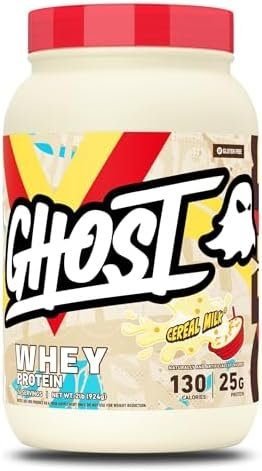 Gen Z Fave
25g protein per scoop. Collab flavors with Chips Ahoy, Oreo, and Nutter Butter. Actually tastes like the real thing.
Check price on Amazon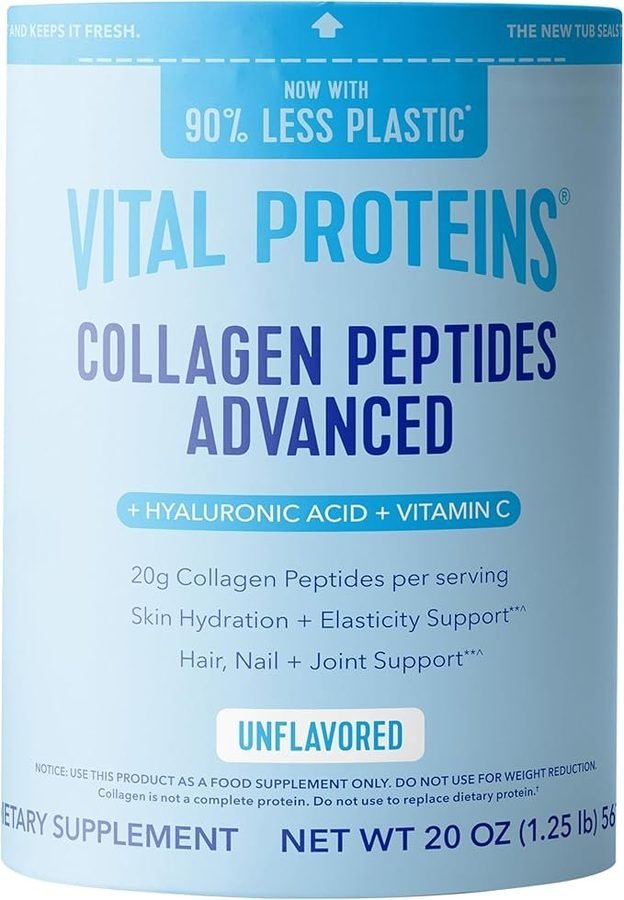
20g collagen per serving. Dissolves in coffee, smoothies, or water. For skin, joints, and gut health.
Check price on Amazon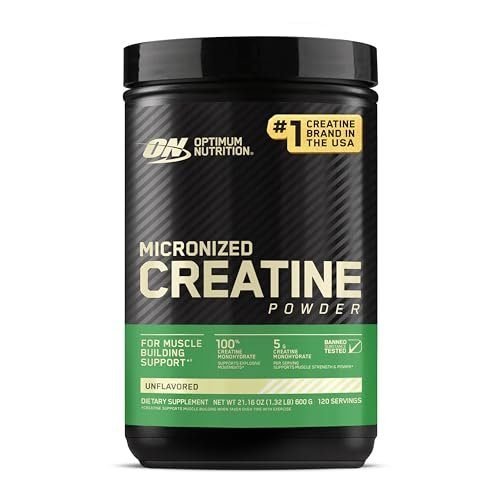 Essential
Pure creatine monohydrate. No filler, no flavor. 5g per serving. If you're not taking creatine yet, start here.
Check price on AmazonProtein powder is the most oversold product in fitness and one of the few that genuinely works. Both things are true. It is food in a tub — a convenient way to hit a daily protein number you would otherwise miss — and nothing on the label beyond that number changes the outcome very much.
So this page is built around one measurement: cost per gram of protein. Every other claim on a protein tub is either unverifiable, irrelevant, or already true of every product in the category.
Take the price, divide by the number of servings, then divide by the grams of protein per serving. A fair 2026 price for whey is roughly 3 to 5 cents per gram of protein. Under 3 cents is a genuinely good deal. Over 7 cents, you are paying for a brand, a flavour licence, or a "blend" that adds nothing.
That single calculation defeats almost every marketing tactic in this aisle:
Whey concentrate is the default and the best value. Roughly 70–80% protein by weight, some lactose, mixes easily. This is what most people should buy.
Whey isolate is filtered further — around 90% protein, almost no lactose, costs 30–50% more. Worth it for one reason only: you get bloated or gassy on concentrate. It is not "cleaner" in any way that affects muscle.
Casein digests slowly and is usually sold as a night-time protein. The evidence that timing matters is weak next to the evidence that total daily protein matters. Buy casein if you like a thick, pudding-like shake, not because of a graph on the tub.
Plant protein (pea, rice, soy blends) is the answer if dairy is out. Pea and rice combined cover the amino acid profile that either one alone misses, so look for a blend rather than a single source. Expect a grittier texture — that is the category, not the brand.
Collagen is not a muscle protein. It is low in leucine, the amino acid that actually triggers muscle repair, and it should not be counted toward a training protein target. It has a real use — connective tissue, skin, joints — and it is sold in a tub that looks exactly like whey, which is how people end up drinking the wrong one for a year. Buy it in addition to whey if you want it, never instead.
Around 0.7 to 1 gram per pound of bodyweight per day is the range the research supports for someone training to build muscle. For a 170 lb person that is 120–170 g. Most people eating normally get 60–90 g from food, which means the gap is one or two shakes, not five.
Powder is the cheapest way to close that gap and the most expensive way to fill a diet. Two scoops a day is a supplement. Six is a grocery bill with a flavour problem.
If you are buying one supplement alongside protein, buy creatine monohydrate. It is the most studied performance supplement in existence, it costs a few cents a day, and 5 g daily is the entire protocol — no loading phase required, no cycling, no branded version that works better. Micronized simply means it dissolves more easily; the molecule is identical.
Anything marketed as an "advanced" creatine (HCl, ethyl ester, buffered) costs more for no measured advantage over monohydrate. This is one of the few places in fitness where the cheapest product on the shelf is also the correct one.
Start with a plain whey concentrate at a fair cost per gram and a flavour you will actually finish — an unfinished tub is 100% waste no matter what it cost. Add creatine monohydrate. That is the whole evidence-backed starter stack, and together they cost less per month than one pre-workout.
If dairy is a problem, move to isolate first and a plant blend second. If you want connective-tissue support, add collagen on top rather than swapping it in.
More on the order to buy things in: beginner supplements covers the full list, and best pre-workout for beginners handles the other tub people buy first.
No. It is convenient, not necessary. If you already hit your daily protein target with food, powder adds nothing at all. Most people do not hit it, which is why the category exists — a shake is simply the fastest 25–30 g available.
Whey if you tolerate dairy: better value, better texture, slightly better amino acid profile. Plant blends are close enough that the difference will not decide your results, so pick on digestion and taste rather than on the marketing.
Whenever it fits the day. Total daily protein is what drives the result; the "anabolic window" was narrowed by later research to several hours, not thirty minutes. Post-workout is a fine habit because it is easy to remember, not because the timing is magic.
Only up to a point, and that point is around 1 g per pound of bodyweight. Past it, the extra is used for energy or excreted. Doubling your intake does not double anything except the grocery bill.
For healthy people, yes — it is one of the most studied supplements available, with decades of data at 3–5 g per day. The weight people gain in the first weeks is water inside the muscle, not fat. If you have a kidney condition, that is a conversation with a doctor rather than a website.