 Essential
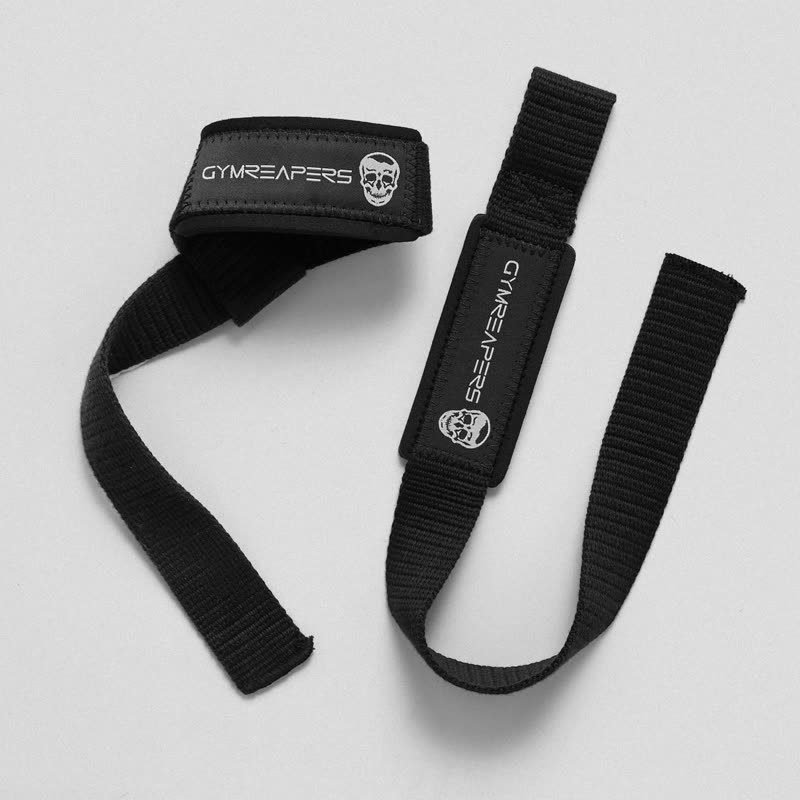
Gymreapers Lifting Straps
Padded cotton straps for deadlifts, rows, and shrugs. Grip gives out before your muscles? These fix that.
Check price on AmazonAs an Amazon Associate I earn from qualifying purchases.
Straps, wraps, chalk, and the other under-$50 gear that makes every session better.
None of this is mandatory on day one — but each piece solves a real problem the moment you hit it: grip failing before your back does, wrists folding on heavy presses, sweaty hands on a loaded bar.
None of the items on this list build muscle by themselves. What they do is remove the small, specific failures that quietly cap how hard you can train the muscle you're actually trying to grow. Grip failing on a heavy row means your back never gets trained to its real limit that day. A wrist bending backward on a heavy press means the set ends before your chest or shoulders are actually fatigued. These are the limitations that don't show up on a training plan, only in the gym, rep by rep — and every item below has one specific job.
Padded cotton straps that wrap around the bar and your wrist so load transfers to your wrist and forearm instead of relying entirely on your grip. The single highest-leverage item in this list for anyone doing rows, deadlifts, rack pulls, or shrugs with real weight — grip is almost always the first thing to fail on pulling movements, well before your back or legs are actually done. Skip these early on if you're still building baseline grip strength as a beginner; leaning on straps too soon can stunt grip development that comes naturally from training pulling movements unassisted.
An elastic wrap with a thumb loop and velcro closure that locks your wrist in a neutral position under load — matters most on heavy bench, overhead press, and any pressing work where the bar wants to bend the wrist backward. Best saved for genuinely heavy sets near your working max rather than every warm-up rep, which is the most common overuse mistake. The velcro closure is the part that wears first, usually losing some grip strength after a year or two of regular use — a sign to replace, not a defect.
A 10mm belt with a lever buckle — flip it once to lock or release instead of fumbling with a prong and holes mid-session. A belt's real job isn't "supporting" your back directly; it gives your core something rigid to brace against, which raises how much intra-abdominal pressure you can generate under a heavy squat or deadlift. Genuinely unnecessary below roughly 1.5x bodyweight on squats or deadlifts — buying one too early can become a crutch that substitutes for learning to brace with just your own core first.
Magnesium carbonate chalk that dries sweat and cuts slip on a bar — a bigger grip upgrade than lifting gloves, which add padding between your hand and the bar and actually work against a strong grip on heavy pulls. Loose chalk is messier than a chalk ball but the cheapest per use and the strongest grip effect. Check your gym's rules first — plenty of commercial gyms ban loose chalk outright because of the mess, in which case liquid chalk is the workaround.
An adjustable-length speed rope with ball-bearing handles for fast, tangle-free rotation — the smallest-footprint, lowest-cost way to add real cardio to a warm-up or a standalone session. Ball bearings are what separate a real speed rope from a $5 toy version; they let the rope spin independent of your wrist so fast singles and double-unders don't catch. Wrong for carpet or uneven flooring — the rope snags and the workout becomes untangling instead of skipping.
Not training gear, but the item people actually use every day. Double-wall vacuum insulation keeps water cold for hours even in a warm gym, and the wide mouth takes ice cubes, unlike narrow sport-cap bottles. The case for spending $32 here: a bottle that stays cold and doesn't sweat all over your bag is one you'll actually refill, and hydration is one of the cheapest, most underrated levers on how a workout actually feels.
| Item | Price | Fixes | Priority |
|---|---|---|---|
| Gymreapers Straps | $13 | Grip fails on pulls | High if pulling heavy |
| Rip Toned Wrist Wraps | $13 | Wrist bends under presses | High if pressing heavy |
| Iron Bull Lever Belt | $35 | Core bracing under max effort | Later, once lifts are heavy |
| Primo Chalk | $12 | Slipping grip | High, cheapest fix |
| WOD Nation Jump Rope | $10 | Cheap portable cardio | Optional |
| Hydro Flask 32oz | $32 | You don't drink enough water | High, daily-use item |
1. Chalk ($12) — cheapest, solves the most common problem (slipping grip), useful from day one. 2. A real water bottle ($32) — not glamorous, but the daily-use item that pays off immediately. 3. Straps ($13) — once pulling weight is heavy enough that grip is the limiting factor, not your back. 4. Wraps ($13) — once pressing weight is heavy enough that your wrists notice it. 5. A belt ($35) — last, and only once your squat or deadlift is heavy relative to your bodyweight. 6. A jump rope ($10) — any time, as a cheap cardio add-on.
Total for everything: $115 — less than most single pieces of home-gym equipment, and every item solves a specific, real limitation instead of sitting unused in a bag.
Straps, wraps, and belts all soak up sweat directly against skin, and the single biggest thing that shortens their life isn't heavy use — it's never letting them fully dry between sessions. Stuffing a damp strap into a sealed gym bag for days is how cotton straps start smelling permanently and how velcro loses its grip faster than normal wear alone would cause. Hang everything out to air dry the same day, and hand-wash cotton straps and wraps every few weeks once they're in regular rotation. A lever belt needs less care — wipe it down if it gets sweaty and keep it away from direct heat, which can dry out and crack the leather or synthetic material over time.
No — start with chalk and a water bottle, both of which help from day one regardless of experience. Straps, wraps, and a belt are all "buy when the specific problem shows up" items, not day-one requirements.
They don't lift the weight for you — they remove grip as the limiting factor so your back or target muscle trains to its real limit instead of your hands. The concern about "cheating" mostly applies to using them too early, before any baseline grip strength has been built at all.
If you're unsure, you probably don't need one yet. The clearest signal is your lower back rounding or your core "giving out" before your legs do on a heavy squat or deadlift — a problem that doesn't show up until you're lifting a meaningful percentage of your bodyweight.
Yes, for anything involving gripping a bar. Chalk removes sweat and moisture so your natural grip works as designed; gloves add a layer of padding between your hand and the bar, which works against a strong grip on heavy pulling movements specifically.
All of them travel — none of this is home-gym-specific. Straps, wraps, a belt, and chalk solve the same grip, wrist, and bracing problems whether the bar is in your garage or at a commercial gym. Just check your specific gym's chalk policy first, since loose chalk is commonly restricted.
Fabric and stitching fail at the seam or the closure, not with a sudden snap — check straps and wraps every few months once you're using them multiple times a week, since a fraying seam under a heavy deadlift is one of the only failures here that can actually cause a dropped weight. Velcro on wrist wraps loses grip strength gradually over a year or two, which is your sign to replace rather than repair. A lever belt's buckle hinge is the one moving part worth an occasional check; the belt material itself typically outlasts it.
For most of this list, generic versions work fine — chalk is chalk, and a $10 jump rope with real ball bearings performs close to a $15 one. Where brand and build quality matter more is the belt and straps, since those are load-bearing under real weight: a lever belt with a weak buckle mechanism or straps with thin stitching are the two items on this list actually worth paying a bit more to get right, because failure under a heavy lift is the one genuinely risky outcome here.
This guide focuses on buy order and how each piece fits into a session — for a full ranked comparison of accessories against each other, see best gym accessories. For the equipment these pair with, see best home gym equipment.
Essential
Padded cotton straps for deadlifts, rows, and shrugs. Grip gives out before your muscles? These fix that.
Check price on Amazon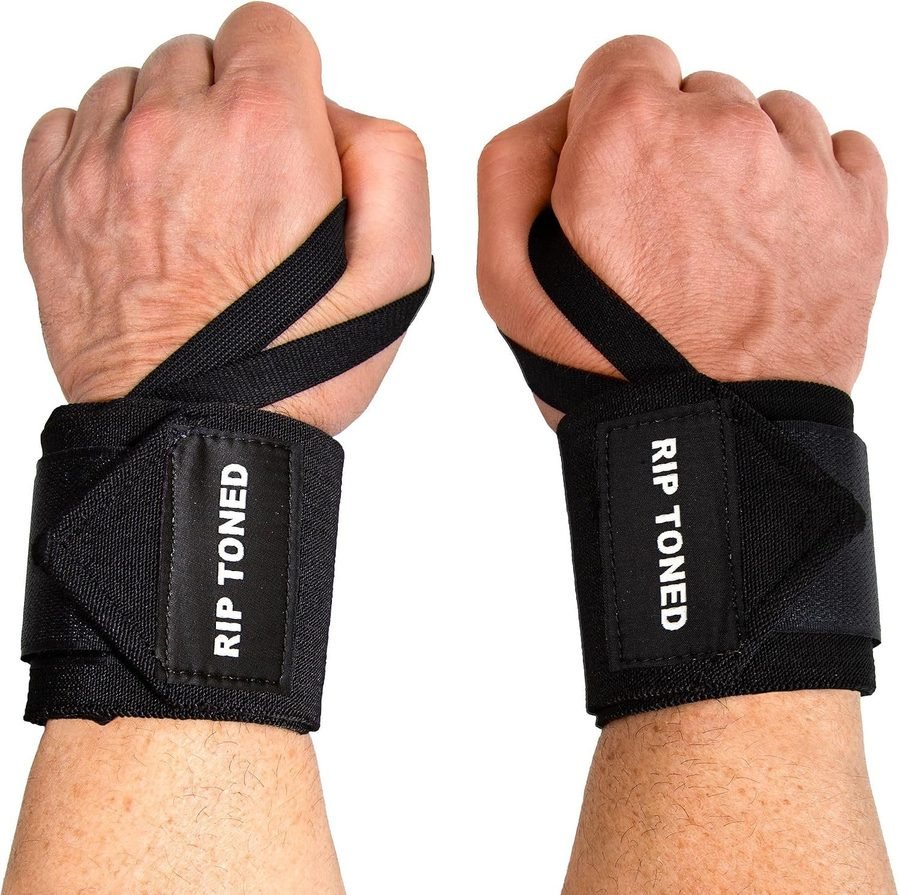 Best Seller
USPA/USAPL-approved wrist support for heavy pressing days. Cheap insurance against a rolled wrist.
Check price on Amazon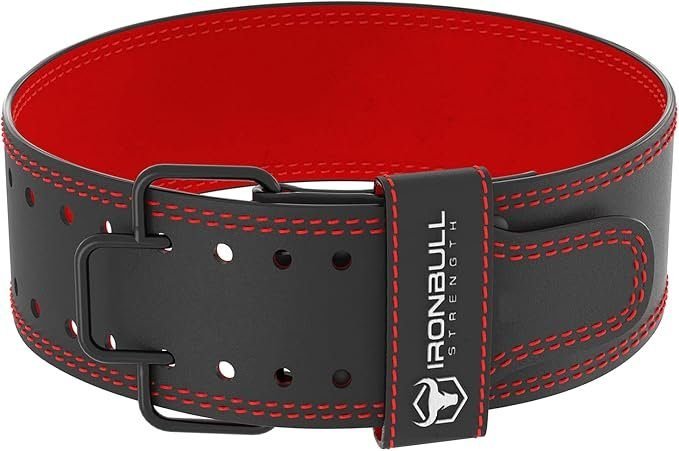
10mm thick, lever buckle. Instant lock and release. The belt that doesn't slow down your workout.
Check price on Amazon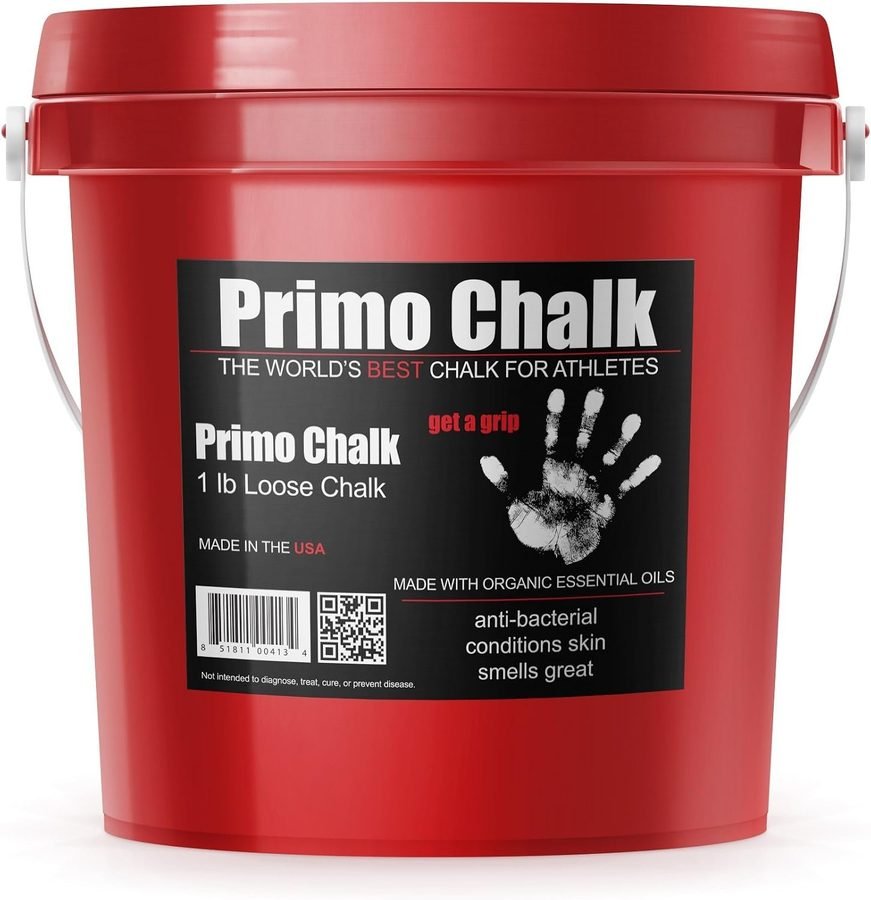
1 lb resealable bucket of loose chalk. Keeps your grip on the bar when reps (and hands) get sweaty.
Check price on Amazon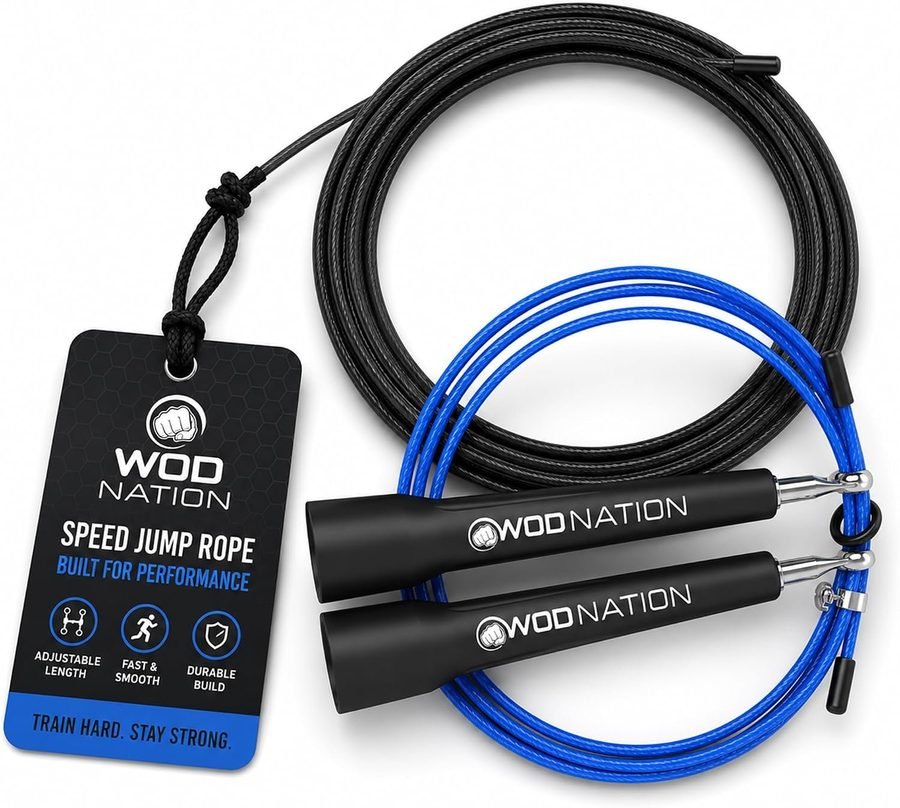 Budget Pick
Adjustable steel cable rope built for double-unders. Cheapest real cardio upgrade in this whole list.
Check price on Amazon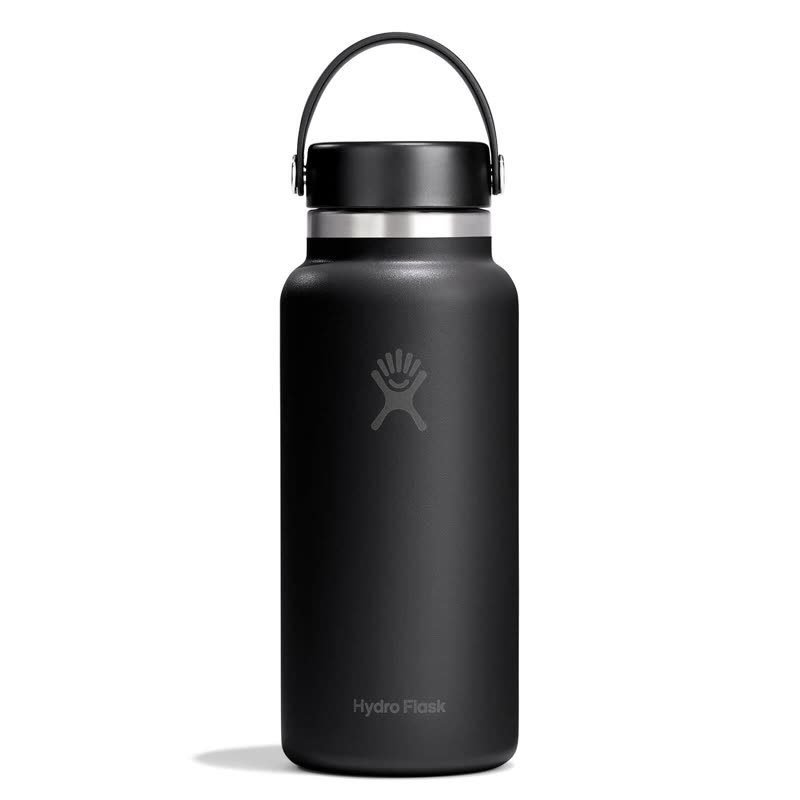
Keeps water ice cold 24hrs. Wide mouth fits ice cubes. The gym water bottle you'll actually keep using.
Check price on Amazon